

2026 Top UPVC Front Doors Supplied and Fitted?

Choosing the right entrance door can change how a home feels, performs, and welcomes visitors. In 2026, homeowners are comparing upvc front doors supplied and fitted for stronger security, improved insulation, and dependable everyday use. A good door should open smoothly, seal tightly, and complement the property’s character.

This guide examines popular UPVC styles, colours, glazing options, locking systems, and current performance features. It also considers the complete fitting service, not just the door itself. Experienced installers measure the opening carefully, check the frame, and adjust hinges and locks during installation. Small errors can cause draughts, sticking, or water problems later.

Security matters.

Reputable suppliers should explain product specifications, installation methods, guarantees, and aftercare clearly. Independent certifications and qualified fitting teams can provide useful reassurance, although every company still deserves careful checking. A low headline price may exclude removal, difficult access, upgraded glass, or internal finishing. That detail is easy to miss.

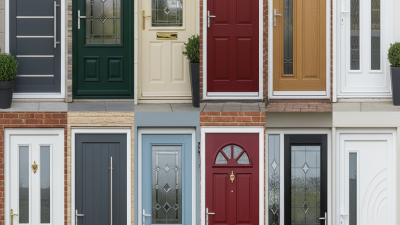
No single design suits every property. A bright white door may suit a modern terrace, while a wood-effect finish could better match a period home. I have found that practical decisions often matter more than showroom appearance. Homeowners should consider daily traffic, children, pets, coastal weather, and cleaning requirements before choosing.

This overview aims to offer balanced, practical guidance based on common installation considerations and manufacturer information. Some recommendations may need reassessment as products and standards develop. That is worth acknowledging. A confident choice should combine appearance, measured performance, professional fitting, and transparent aftercare.
2026 Top UPVC Front Doors Supplied and Fitted?

What Are UPVC Front Doors and Why Choose Them in 2026?

UPVC front doors are made from unplasticised polyvinyl chloride, a rigid material designed for exterior use. Unlike timber, they resist rot, swelling, and frequent repainting. A quality door usually includes insulated panels, double glazing, weather seals, and a secure multi-point locking system. These features can reduce draughts and help maintain steadier indoor temperatures.

In 2026, homeowners often choose UPVC because it offers practical performance at a controlled cost. The smooth surface wipes clean with soapy water. The frame also needs less routine maintenance than many painted alternatives. From fitting experience, accurate measurements matter greatly. A small error around the threshold can cause uneven closing, water entry, or unwanted draughts. Professional installation should include checking the opening, adjusting hinges, sealing the frame, and testing the lock several times.

They are not perfect. Poor ventilation may still create condensation near the glass, especially in busy hallways. Some lower-quality panels can look less authentic than natural materials, and damaged sections are not always simple to repair. Reputable suppliers should explain the door’s thermal performance, security testing, warranty terms, and installation method before work begins. Ask about recycled content too, but treat broad environmental claims carefully. A properly fitted UPVC front door can provide dependable daily use, though its value depends on the whole installation, not the frame alone.
Key Features to Compare When Selecting an UPVC Front Door

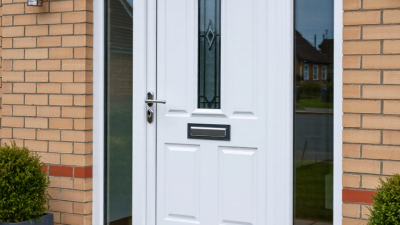
In 2026, choosing a supplied and fitted UPVC front door requires more than comparing colours and prices. Start with the door’s frame, panel, glazing, and locking system. A rigid, multi-chamber frame can reduce draughts and help maintain indoor comfort. Check the panel’s insulation rating, especially if the entrance opens directly into a hallway. Small gaps around the threshold matter.

Security should be assessed carefully. Look for a tested multi-point locking system, reinforced hinges, and laminated or toughened glazing where suitable. Ask whether the cylinder resists common attack methods. Do not accept vague claims. Request written performance details and installation terms. A qualified installer should measure the opening at several points, inspect the surrounding masonry, and explain how water will drain away. Poor fitting can weaken an excellent door.

Weather sealing deserves practical attention. Examine the rubber gaskets for even contact, and ask how the threshold handles heavy rain. I have seen attractive doors develop cold spots because the frame was fitted too tightly. That mistake is easy to miss. Hardware should feel firm, not loose, when tested repeatedly. Check the guarantee, maintenance advice, disposal arrangements, and whether future adjustments are included. I would also compare sample panels in daylight, because showroom lighting can hide colour differences. The lowest quote may look appealing, but a detailed written specification is usually more reliable.

How UPVC Front Doors Are Supplied and Fitted

Choosing a top UPVC front door in 2026 involves more than selecting a colour and panel design. A professional survey should measure the opening at several points. Walls are rarely perfectly square.

The installer checks the frame, threshold, brickwork, and surrounding plaster. They should discuss security hardware, glazing, ventilation, and accessibility before ordering. A written quotation should show the door specification, fitting method, removal costs, and expected delivery date. Clear paperwork builds trust.

During supply, the door is manufactured to the recorded measurements. On delivery, the fitter should inspect the frame for scratches, distortion, or missing components. The old door is removed carefully, with protection placed across the hallway floor. The new frame is fixed securely, levelled, and sealed against draughts and water. Small adjustments matter.

The door leaf should open smoothly without rubbing. Locks, hinges, handles, and weather seals need practical testing. The installer should also explain daily maintenance and provide relevant product documents. Experienced fitters understand that older homes may reveal uneven openings or damaged masonry. That can change the installation time.

Not every fitting goes perfectly. A rushed survey can create avoidable problems. Rechecking measurements before manufacture is sensible, even when the opening looks straightforward. After installation, inspect the threshold, sealant lines, and internal finish in daylight. Ask questions before signing the completion paperwork.

UPVC Front Door Styles, Security Options and Energy Performance

2026 Top UPVC Front Doors Supplied and Fitted?

UPVC Front Door Styles, Security Options and Energy Performance

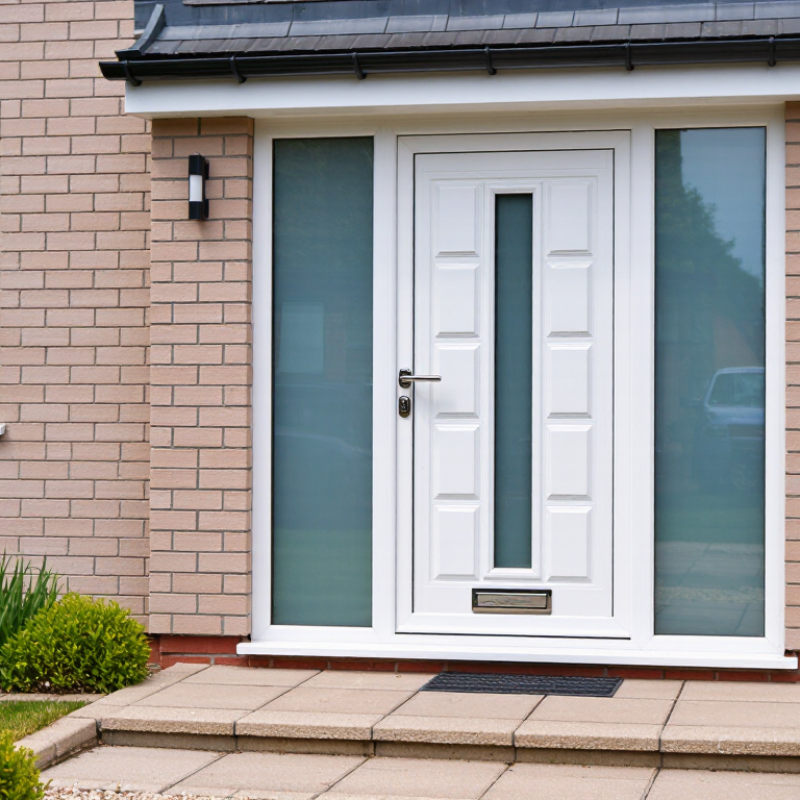
A well-fitted UPVC front door should suit the property, not merely fill the opening. Popular styles include glazed panels, solid slabs, and traditional moulded designs. Frosted or textured glass can bring daylight while protecting privacy. Darker finishes look modern, but they may show scratches and fading more clearly. This small detail is often overlooked.

Security depends on the complete door set. Look for a strong frame, multi-point locking, reinforced hinges, and laminated or toughened glazing where suitable. A qualified installer should measure the opening carefully, check the surrounding brickwork, and adjust the hinges after fitting. Poor installation can create gaps, even when the door itself is well made. Ask for clear warranty terms, fitting details, and evidence of relevant product testing.

Energy performance comes from the frame, glass, seals, threshold, and installation together. Double glazing can reduce cold spots, while tight rubber seals help prevent draughts. However, better insulation does not mean every door performs equally. Ask for documented thermal figures rather than relying on phrases such as “high efficiency.” An energy-conscious choice may still need a low threshold or careful ventilation planning. Homes with older walls can expose weaknesses around the frame.

Tips: Compare whole-door performance, not appearance alone. Check the threshold after rain. Open and close the door several times before accepting the installation. Photograph any uneven gaps, because small faults become harder to prove later.

Costs, Maintenance and Guarantees for UPVC Front Doors

A 2026 UPVC front door usually costs about £900–£1,800 supplied and fitted in the UK. Recent trade-cost guides report higher prices for wider frames, glazed panels, colour finishes, and difficult access. Removal and disposal may cost extra. Ask for a written quote covering the door, frame, threshold, locks, VAT, trimming, and making good. A cheap quote can look sensible. It may not be.

The UK Government’s Approved Document L sets a 1.4 W/m²K maximum U-value for many replacement doors in existing homes. Ask the installer for the complete door-set performance, not only the panel figure. FENSA consumer guidance also stresses competent installation and correct certification. Maintenance is modest: wipe the frame every few months, clear drainage slots, and lubricate hinges and locking points with a suitable product. Check the seal after heavy rain. A small gap can create a cold, damp line around the threshold.

Tips: Compare at least three itemised quotes. Confirm whether the guarantee covers the product, glass, hardware, and installation separately. Ten years sounds reassuring, but exclusions can include poor cleaning, unauthorised adjustments, or coastal corrosion. Check registration requirements too. A guarantee may not transfer automatically when the property is sold. In practice, the installer’s workmanship matters as much as the UPVC itself; this is the part many homeowners discover too late. Ask for the guarantee terms before paying a deposit.