10 Best Entry Doors for Global Buyers in 2026?
Choosing the right entry doors in 2026 requires more than comparing finishes, prices, and online photographs. Global buyers face different climates, building traditions, security expectations, and installation standards. A steel door may suit a storm-prone coastal home, while a thermally broken aluminum door may perform better in a hot urban environment. Timber still offers warmth and character, but it demands disciplined sealing and maintenance. Small details matter.
Lori Greene, a respected door-and-hardware consultant, has warned, “The door is the weakest link in the security chain.” Her observation gives this guide a practical direction. The best entry doors should balance structural strength, tested locks, weather resistance, energy performance, and dependable after-sales support. Buyers should also examine hinge quality, frame depth, threshold drainage, glass certification, and replacement-part availability. A beautiful door is not enough. Installation can decide everything.
This guide reviews ten strong options for international buyers in 2026. It considers steel, fiberglass, solid wood, aluminum, and composite constructions. Each choice is judged against real purchasing concerns, including shipping damage, local weather, customization, warranties, and contractor experience. Some rankings remain debatable. They should. A premium door in Canada may be excessive for a mild Mediterranean property, while a low-cost model may struggle under tropical humidity. Use these recommendations as a careful starting point, not a final verdict. Measure twice. Ask better questions.
What Defines a High-Quality Entry Door for Global Buyers in 2026
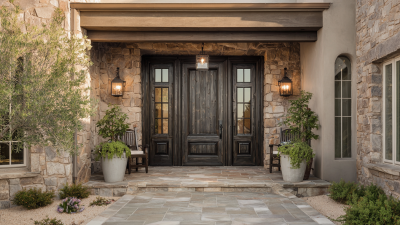
For global buyers in 2026, a high-quality entry door is more than a polished surface. It must control heat, noise, moisture, and daily impact across different climates. During site inspections, I check the frame before admiring the finish. A straight frame, tight seals, and even gaps often reveal better workmanship. A door that closes softly is useful. A door that stays aligned matters more.
Materials should match the location. Insulated steel can suit demanding security needs, while engineered wood may offer warmth and stable appearance. Fiberglass can resist moisture, but its core and edge protection still deserve inspection. Buyers should request documented tests for air leakage, water resistance, wind pressure, thermal performance, and hardware cycling. Test reports must identify the exact door configuration, not a similar model. Regional installation requirements also matter. A strong product can perform poorly when fitted without correct drainage or anchoring.
Security should include a reinforced frame, reliable locking points, laminated or impact-resistant glazing where appropriate, and hinges protected from forced removal. Low-emission finishes and recyclable components increasingly influence purchasing decisions. Yet no door is perfect. I have seen expensive units fail because installers ignored uneven thresholds. That detail is easy to miss. Ask for maintenance guidance, spare-part access, warranty limits, and verified production records. Clear answers build trust, although cautious buyers should still inspect samples and challenge impressive claims.
Key Materials, Designs, and Technologies Used in Modern Entry Doors
Modern entry doors in 2026 combine protection, energy efficiency, and visual character. Global buyers often compare steel, fiberglass, aluminum, and engineered timber. Each material performs differently across climates.
Steel offers strong security and a stable frame, but poor insulation can create cold indoor surfaces. Fiberglass resists moisture, dents, and temperature changes. Aluminum suits contemporary designs, especially with thermal breaks that reduce heat transfer. Engineered timber brings warmth and texture, though it needs careful sealing in humid regions. In real project reviews, installation quality often matters as much as the door material. A premium slab can still fail when the frame is uneven.
Tips: Check the local climate before choosing a finish. Request tested U-values, air-leakage data, and water-resistance details. Confirm that hinges, locks, seals, and thresholds match the door’s weight and exposure. Small gaps matter.
Current designs include concealed hinges, narrow glass panels, flush surfaces, and oversized pivot doors. Smart access systems may use mobile credentials, keypads, or temporary permissions. They add convenience, but batteries, network outages, and privacy settings require attention. Not every connected feature is necessary. Sometimes, a reliable mechanical lock is the wiser choice.
For international purchasing, verify dimensions, opening direction, drainage details, and replacement-part access before payment. Local building requirements can differ widely. Product documents should identify tested performance, not just attractive claims. A simple finish may age better than a fashionable one. That is easy to overlook.
The 10 Best Entry Door Types for International Residential Markets
The 10 Best Entry Door Types for International Residential Markets
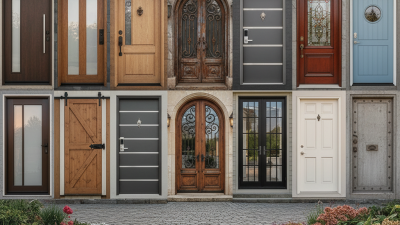
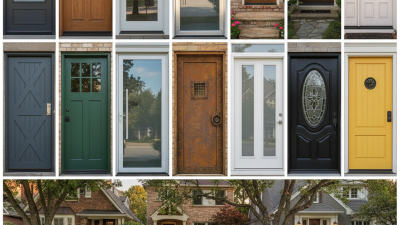
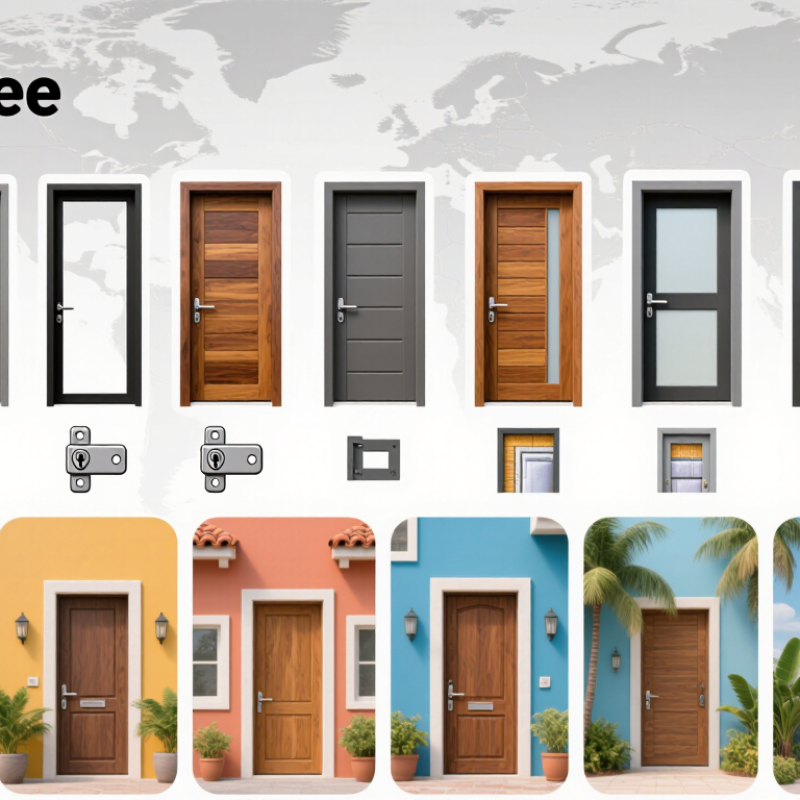
Global buyers need more than attractive doors. They need performance across different climates, codes, and installation skills. The ten strongest options are solid timber, engineered timber, insulated steel, fiberglass composite, thermally broken aluminum, uPVC, glass-panel, pivot, double, and reinforced security doors. No type wins everywhere.
The 2024 UNEP Global Status Report says buildings consume about 32% of global energy. Therefore, thermal performance matters at the threshold. Insulated steel works well in cold regions, while fiberglass composite resists moisture and dents. Thermally broken aluminum suits humid or coastal areas, but poor detailing can still create condensation. Engineered timber offers a warm appearance with better dimensional stability than many solid-wood designs. uPVC can deliver reliable insulation, although some buyers may reject its appearance or recycling limits.
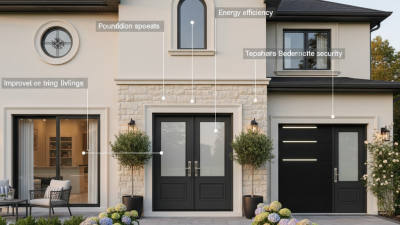
Glass-panel doors improve daylight in compact homes. Low-emissivity glazing is preferable in hot climates. Pivot doors create a strong architectural statement, yet their weight demands accurate hinges and careful installation. Double doors suit wider villas, but the meeting stile needs effective weather sealing. Reinforced security doors add confidence in dense urban housing, though excessive weight can reduce daily usability. A 2023 market analysis by Grand View Research identified rising demand for energy-efficient door systems, but market forecasts cannot replace local testing. Check U-values, air leakage, water resistance, and fire performance against applicable standards such as EN 14351-1 or local equivalents. I would not specify a beautiful door before checking the wall opening, threshold drainage, and replacement hardware availability.
How to Compare Security, Energy Efficiency, Durability, and Style
For global buyers in 2026, an entry door should be compared as a building component, not only as a decorative feature.
The UNEP Global Status Report for Buildings and Construction reports that buildings consume about 30% of global final energy. A poorly sealed door can create a noticeable cold strip near the threshold. Check the U-factor, air-leakage rating, weather seals, and insulated core. Lower U-factor values generally indicate better insulation, but local climate still matters.
Security requires more than a heavy slab.
Examine the frame, hinge protection, multipoint locking, cylinder resistance, and installation quality. European EN 1627 classifications provide a useful reference for resistance testing, while regional standards may use different methods. Glass panels need laminated construction and secure glazing retention. A strong lock installed in a weak frame is misleading. It happens often.
Durability depends on exposure.
Coastal buyers should request corrosion-resistant hardware and sealed finishes. In wet climates, inspect drainage paths and the lower edge, where swelling often begins. For energy performance, the U.S. Department of Energy notes that windows and doors can influence a home’s heating and cooling demand, especially through leakage and solar gain. Style should follow these requirements, not hide them. A timber appearance may suit a traditional façade, while a steel or composite surface may better tolerate impact and moisture. I would still request independent test reports, warranty conditions, and replacement-part availability. Ratings are helpful, but installation can quietly undermine them.