
China Best Beachflag Flying Supplier for Global Buyers?

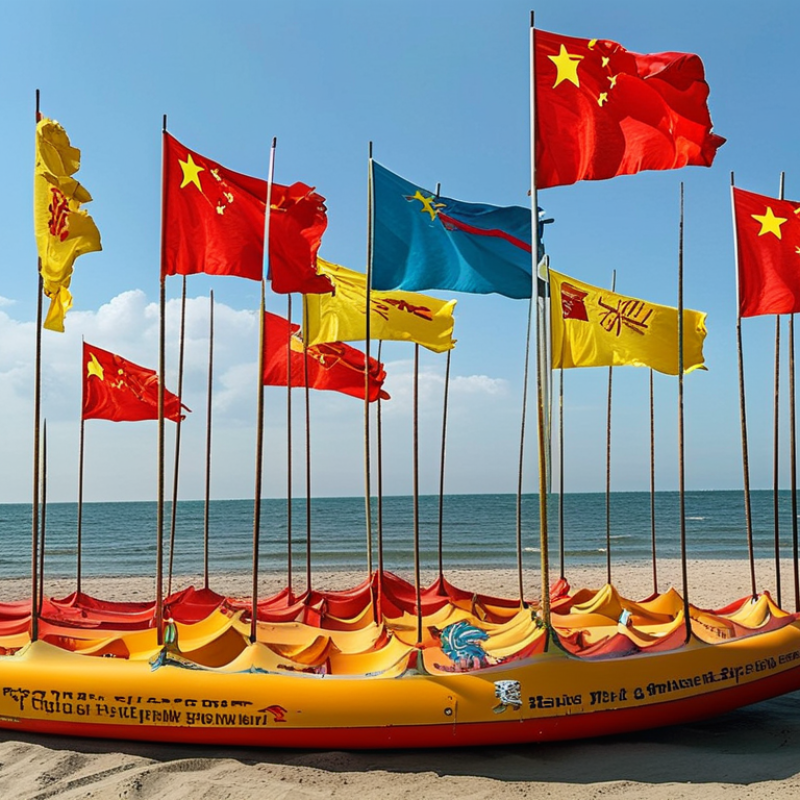
Choosing a reliable China Beachflag Flying Supplier can shape the quality, cost, and delivery of your outdoor advertising campaign. Global buyers usually need more than attractive product photos. They need stable flag fabric, accurate printing, durable poles, secure bases, and clear communication. A professional supplier should explain material options, including polyester weight, stitching methods, pole structures, and base types for grass, concrete, or indoor floors. Small details matter. A loose hem can weaken quickly in strong wind.

Experienced suppliers often support artwork checks, sample production, and batch inspections before shipment. Buyers should request real product images, fabric specifications, packaging details, and practical test information. Ask how the supplier checks color consistency across repeated orders. Ask how replacement parts are handled. These questions reveal working experience better than a polished catalog. A dependable China Beachflag Flying Supplier should also provide transparent lead times, reasonable quality controls, and documentation that supports responsible international trade.

Still, no supplier is perfect. Samples may look better than mass production. Weather claims may also be too broad. Buyers should verify every important promise instead of relying on assumptions. A small trial order can expose issues with stitching, printing alignment, pole fitting, or carton protection. That step may feel slower. It often prevents larger losses later. By comparing production evidence, communication habits, and after-sales support, global buyers can make a more informed choice and build a practical, long-term sourcing relationship.
China Best Beachflag Flying Supplier for Global Buyers?

What Makes China a Leading Beachflag Supplier for Global Buyers?

China has become a leading beachflag supplier because its manufacturing network supports both volume and customization. In practical sourcing, buyers can request different flag shapes, pole heights, fabric weights, and base styles from one production partner. Many factories use outdoor polyester, reinforced stitching, fiberglass poles, and water-filled bases. These details matter when flags stand beside busy roads, exhibition halls, or windy beaches.

Production experience also improves quality control. Reliable suppliers usually inspect fabric color, sewing lines, pole connections, and print alignment before shipment. Some provide pre-production samples and digital proofs, helping buyers avoid expensive mistakes. Clear measurements are essential. A small error in the sleeve can make assembly frustrating. Export teams often coordinate packaging, pallet space, shipping documents, and delivery schedules. That practical support saves time for overseas buyers.

However, China is not automatically the right choice for every project. Quality can vary between factories, and attractive pricing may hide thinner fabric or weaker bases. Buyers should check samples, ask about testing procedures, and confirm replacement policies in writing. I have seen projects delayed because artwork approval was rushed. That lesson remains important. Good suppliers communicate clearly, but buyers must also provide accurate dimensions, wind conditions, and installation plans. Small details decide whether a beachflag looks professional after repeated outdoor use.

How China Beachflag Manufacturers Design and Produce Their Products

China Best Beachflag Flying Supplier for Global Buyers?

China beachflag manufacturers usually begin with the intended use, not only the visual design. Engineers study wind exposure, display height, fabric weight, and transport conditions. They create drawings for teardrop, feather, and rectangular shapes. Each shape needs a different sleeve pattern and pole curve. A good design keeps graphics visible while the flag moves naturally. Small errors matter. A tight sleeve can distort the print during installation. I have seen attractive samples fail because their bases were too light for outdoor use.

Production combines digital printing, fabric cutting, sewing, and pole assembly. Manufacturers commonly test color consistency, edge stitching, pole connection, and base stability. They may use polyester fabric with suitable density for outdoor visibility and controlled airflow. Heat transfer or dye-sublimation printing can produce sharp graphics, but curing settings require careful control. A reliable factory records material batches and checks samples before mass production. Still, inspection is not perfect. Humidity, operator adjustments, or rushed packing can create differences that buyers notice later.

Tips: Ask for a complete sample, including the pole, flag, and base. Request packed dimensions and setup instructions. Confirm whether the printed design appears correctly on the reverse side. Test the product outdoors before approving a large order. Clear feedback helps manufacturers refine patterns, stitching, and hardware choices.

Typical Beachflag Sizes Used by Global Buyers

Standard product sizes help manufacturers select the right fabric area, pole length, packaging method, and outdoor base.

The dimensions shown are representative market-standard beachflag sizes: the actual measurements may vary slightly according to the flag shape, pole system, and buyer requirements.

Which Beachflag Materials, Sizes, and Printing Options Are Available?

Beachflag Materials, Sizes, and Printing Options for Global Buyers

A dependable beachflag usually starts with knitted polyester between 110 and 120 gsm. It is lightweight, flexible, and suitable for repeated outdoor use. The fabric should dry quickly after light rain. For stronger visual impact, some buyers choose blockout polyester, which reduces show-through on double-sided flags. It feels slightly heavier, though.

Common sizes include small, medium, and large formats, with heights from about 2.5 to 5 meters. Feather, teardrop, and rectangular shapes create different display areas. A compact flag fits beside a market table. A larger model works better at exhibitions or open beaches. Fiberglass poles offer flexibility, while aluminum components provide a more rigid structure. The base must match the ground, such as a cross base for hard surfaces or a water base for temporary outdoor events.

Dye-sublimation printing is widely used for bright, durable graphics. It allows color to pass deeply into the fabric instead of sitting only on the surface. Single-sided printing is lighter and usually more economical. Double-sided versions use a middle blockout layer and can show different graphics on each face. Accurate artwork files, color profiles, stitching, and pole-pocket measurements deserve careful checking. Small errors matter. I have seen excellent prints weakened by loose seams or unsuitable bases. A perfect color match is not always realistic, especially across different fabrics and screens. Physical samples remain the safer choice before larger production.

China Best Beachflag Flying Supplier for Global Buyers? - Which Beachflag Materials, Sizes, and Printing Options Are Available?

Product Dimension Common Specification Material or Construction Printing Options Typical Application Key Buyer Considerations
Flag Fabric 110–115 g/m² knitted polyester Lightweight, flexible polyester fabric designed for outdoor display and airflow. Single-sided reverse print or double-sided block-out construction. Outdoor promotions, events, retail entrances, sports activities. Check fabric weight, tear resistance, color fastness, and edge finishing.
Economy Fabric 90–100 g/m² polyester Lower-weight polyester suitable for short-term or budget-focused campaigns. Usually single-sided dye-sublimation printing. Temporary campaigns, indoor use, trade-show displays. More economical, but generally less opaque and less durable than heavier fabric.
Premium Fabric 120–150 g/m² polyester Heavier knitted polyester with improved drape, opacity, and perceived quality. Single-sided or double-sided dye-sublimation printing. Longer outdoor campaigns, premium events, repeated setup and storage. Higher fabric weight can improve appearance but may increase shipping weight.
Standard Flag Height 2.0 m, 2.5 m, 3.0 m, 3.5 m, and 4.0 m Curved or straight aluminum and fiberglass pole sections. Full-color custom graphics across the visible flag area. Small storefronts, exhibitions, outdoor advertising, and entrances. Choose height according to viewing distance, ceiling clearance, and transport needs.
Large Flag Height 4.5 m, 5.0 m, and 5.5 m Multi-section pole system, commonly combining fiberglass and aluminum components. Full-color dye-sublimation printing with optional double-sided graphics. Large outdoor venues, festivals, dealerships, and sports grounds. Requires a suitable base, sufficient clearance, and additional wind assessment.
Teardrop Shape Approx. 2.0–5.0 m overall height Curved pole creates a rounded lower edge and compact graphic area. Single-sided reverse print or double-sided block-out print. Retail promotions, outdoor events, and areas with moderate wind movement. Graphics should be adapted to the curved shape to avoid distortion near the pole.
Flying Shape Approx. 2.0–5.5 m overall height Extended horizontal graphic profile with a curved or angled top edge. Single-sided or double-sided full-color dye-sublimation. Trade shows, entrances, sports events, and high-visibility campaigns. Provides a larger visual area but may need a heavier base in exposed locations.
Straight Shape Approx. 2.0–4.0 m overall height Relatively rectangular polyester flag mounted on a straight pole. Single-sided reverse print or double-sided block-out print. Logos, directional messaging, and standardized promotional displays. Offers a more regular print area for text, logos, and structured layouts.
Single-Sided Printing Graphic printed on one side with reverse visibility Printed polyester fabric with ink penetration through the material. Dye-sublimation, typically achieving approximately 90%–95% reverse visibility depending on fabric and ink settings. General outdoor advertising and cost-sensitive projects. Lower cost and lighter weight; the reverse image appears mirrored.
Double-Sided Printing Two separate graphics with an opaque layer between them Block-out fabric or layered construction to reduce show-through. Different artwork can be printed on each side. Two-way traffic areas, entrances, exhibitions, and premium campaigns. Improves message readability from both directions but increases weight and cost.
Dye-Sublimation Full-color transfer printing Heat transfers dye into polyester fibers rather than forming a thick surface layer. CMYK artwork, gradients, photographs, and detailed logos. Most custom polyester beachflag applications. Suitable for vivid graphics; final color depends on fabric, profile, and production settings.
Pole System Sectional poles with elastic connectors or sleeves Fiberglass, aluminum, or a combination of both materials. Not applicable; pole components support the printed flag. Portable displays requiring repeated assembly and disassembly. Confirm section length, connector quality, replacement availability, and packed size.
Ground Base Cross base, water base, spike base, or screw base Steel, plastic, aluminum, or galvanized components depending on base type. Not applicable; base selection affects display stability. Hard floors, grass, soil, paved areas, and semi-permanent outdoor use. Match the base to the surface, flag height, expected wind, and local safety requirements.
Finishing Overlock stitching, reinforced sleeve, and optional webbing Polyester thread and reinforced stress points around the pole pocket. Printed edge-to-edge graphics with optional safety or reinforcement stitching. Frequent setup, transport, washing, and outdoor reuse. Inspect seam consistency, pocket dimensions, corner reinforcement, and replacement ease.
Packaging Individual carry bag or export carton Oxford fabric bag, nylon bag, corrugated carton, or customized packing method. Optional barcode, care label, assembly guide, and packing mark. Wholesale orders, e-commerce fulfillment, exhibitions, and international shipping. Confirm packed dimensions, carton quantity, gross weight, and protection against moisture.

Specifications are common industry ranges. Actual dimensions, fabric performance, color results, base stability, and wind suitability should be confirmed with the selected production specification and intended installation environment.

How International Buyers Evaluate Chinese Beachflag Suppliers

China Best Beachflag Flying Supplier for Global Buyers?

How International Buyers Evaluate Chinese Beachflag Suppliers

International buyers rarely choose a beachflag supplier from photographs alone. They test fabric quality, pole strength, printing accuracy, and communication speed. A reliable factory provides samples before discussing large quantities. Buyers often check whether the flag remains readable after folding, transport, and outdoor exposure.

During sample checks, inspect the stitching around the sleeve and bottom edge. Small flaws matter. Uneven hems may cause twisting in strong wind. Buyers also examine fabric weight, color consistency, base stability, and replacement-part availability. For technical confidence, ask about dye-sublimation settings, sewing procedures, and final inspection records. Experienced suppliers explain these details clearly, without hiding behind vague claims.

A precise quotation should separate fabric, hardware, packaging, tooling, and delivery costs. Production photographs, inspection checklists, and realistic lead times reveal operational discipline.

Trust grows through evidence, not promises. Still, evaluation should not be perfect or rushed. I have seen acceptable samples hide weak stitching in later batches. A stronger supplier admits this risk and describes corrective action. That honesty is useful.

Before approval, request a small trial order with different sizes and base options. Compare delivered products against the approved sample. Keep records of measurements, color references, and packing condition. These practical checks help global buyers judge capability, consistency, and long-term reliability.

What Are the Main Steps in Ordering Beachflags from China?

China Best Beachflag Flying Supplier for Global Buyers?

Ordering beachflags from China requires more than comparing unit prices. The Outdoor Advertising Association of America reported that out-of-home advertising revenue reached about US$9.1 billion in 2023, showing continued demand for visible outdoor displays. Buyers should define the flag shape, finished size, fabric weight, pole material, base type, printing method, and delivery destination. A clear specification prevents expensive misunderstandings. Request a digital proof and one physical sample before approving mass production. Check the stitching, pole joints, dye consistency, base stability, and packed dimensions. Small defects become obvious when dozens of flags stand together.

Ask the supplier for a formal quotation with product cost, tooling, packaging, shipping terms, production time, and replacement policy. Confirm whether prices cover customs clearance or only export delivery. For quality control, use measurable requirements, such as color tolerance, seam strength, and acceptable defect limits. ISO 2859-1 provides a recognized sampling approach for inspection, although it does not replace practical testing.

Inspect several packed units, not only the first sample. A perfect sample can hide batch problems. That is an uncomfortable lesson. Beachflags also need wind testing with the selected base, because performance changes on grass, concrete, and uneven ground. The final order should include approved artwork, inspection photos, carton labels, and a written shipping schedule. Keep communication simple, specific, and recorded.