How to Choose Front Doors with Glass for Your Home?
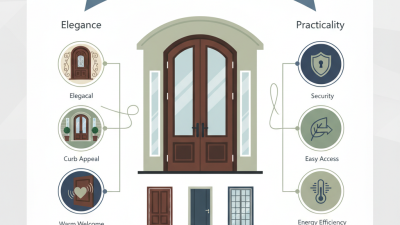
Choosing the right front doors with glass is not just about aesthetics. It plays a critical role in enhancing home security, energy efficiency, and curb appeal. Glass doors can offer natural light while maintaining privacy, a balance that many homeowners seek. According to a recent report by the National Association of Realtors, homes with front doors featuring glass elements sell for an average of 10% more than those without. This statistic highlights the significant impact that front doors with glass can have on property value.
Expert designer and industry authority, Sarah Johnson, notes, "The right glass door can transform an entryway, offering both beauty and functionality." She emphasizes the need to consider climate conditions and the door's insulation properties. The selection process should involve evaluating various types of glass, styles, and materials. However, some homeowners may find themselves overwhelmed by choices or drawn to products that may not suit their needs.
While decorative glass may seem appealing, it can sometimes compromise security. Homeowners must strike a balance between style and safety. Opting for double-paned glass can enhance energy efficiency, yet may increase costs. Reflecting on your priorities can lead to a more informed decision. Choosing front doors with glass is a significant investment, and careful consideration can lead to better long-term benefits.
Factors to Consider When Selecting Glass Front Doors for Homes
When selecting glass front doors for your home, several key factors come into play. First, consider the door's energy efficiency. According to the U.S. Department of Energy, energy-efficient doors can reduce heating and cooling costs by up to 25%. Look for doors with low-E glass, which minimizes heat transfer. This feature not only enhances comfort but also can lead to significant savings over time.
Another important aspect is safety and security. Research from the National Association of Home Builders shows that homes with secure doors reduce the risk of break-ins significantly. Consider laminated glass or tempered glass options, which offer higher impact resistance than standard glass. Additionally, reinforced frames add an extra layer of protection.
Aesthetic appeal is also crucial. Glass front doors can significantly enhance curb appeal and overall home value. A survey by the National Association of Realtors suggests that tasteful door replacements can yield returns as high as 90% on investment. However, balance style with practicality. Consider how well the glass complements your home’s architecture and choose designs that reflect your personal taste while remaining functional.
Types of Glass Used in Front Doors and Their Performance Ratings
When selecting front doors with glass, understanding the types of glass is crucial. Clear glass offers a classic look and allows maximum light. However, it can lack privacy. Another option is frosted glass. It obscures visibility while still letting light in, making it ideal for maintaining privacy.
Tempered glass is also worth considering. It is stronger than regular glass and shatters into small, less harmful pieces. This makes it a safer choice, especially for families. Low-emissivity (Low-E) glass has a special coating that improves energy efficiency. It can reflect heat, keeping homes warmer in winter and cooler in summer.
Installing quality glass can be daunting. Some doors may sag over time, affecting their insulation properties. Poor weatherstripping can let drafts in, offsetting the benefits of good glass. Evaluating different glass types and understanding their performance is essential. You'll want a balance of aesthetics, security, and energy efficiency in your choice.
Energy Efficiency: Understanding Glass Insulation and Ratings
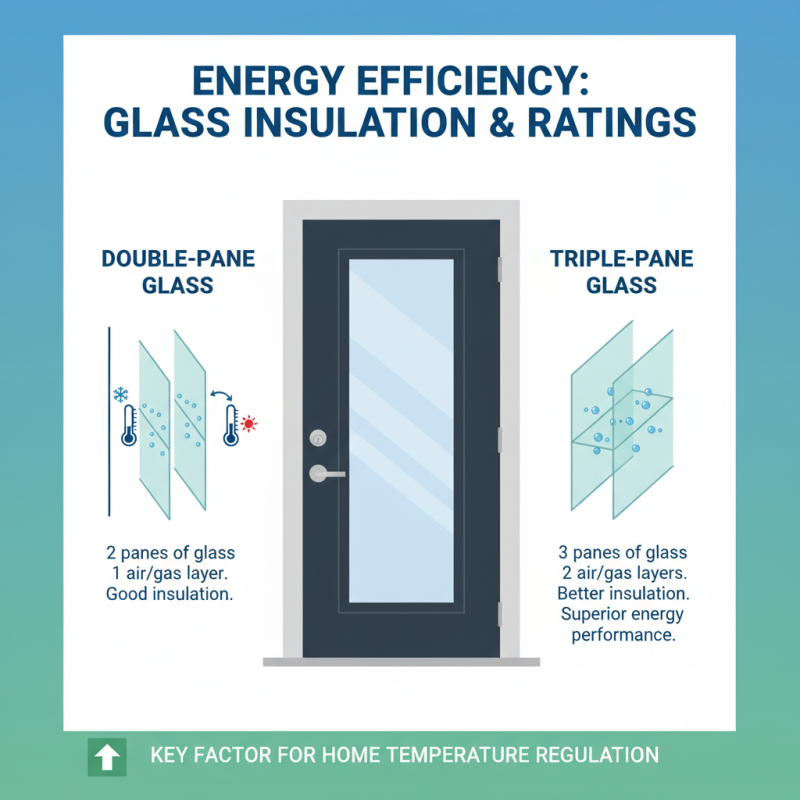
When selecting front doors with glass, energy efficiency is a critical factor. Glass insulation plays a key role in maintaining your home's temperature. There are different types of glass, including double-pane and triple-pane options. Double-pane glass has a layer of air or gas between two panes, which enhances insulation. Triple-pane glass offers even better energy performance, as it adds an extra layer of glass and insulation.
Understanding glass ratings is vital. Look for doors that carry the ENERGY STAR label. This indicates that the product meets specific energy efficiency criteria. The U-factor measures heat transfer, while the Solar Heat Gain Coefficient (SHGC) assesses heat from sunlight. Choose a door with a low U-factor and an appropriate SHGC based on your climate. In colder areas, a lower SHGC may be beneficial, whereas warmer regions might prefer higher ratings to reduce cooling costs.
While these options enhance energy efficiency, they can also be more expensive. Investing in high-quality glass doors may strain your budget. However, consider long-term savings on energy bills. Not every household has the same needs, and what works for one may not work for another. It's essential to evaluate your climate, home style, and personal preferences before making a decision. Your choice will impact your comfort and energy consumption for years to come.
Security Features: Enhancements for Glass Front Door Safety
When choosing front doors with glass, safety is paramount. Glass doors provide elegance but may also introduce security concerns. Enhancing their safety features can mitigate risks effectively.
One approach is to select tempered or laminated glass. This type of glass is more durable and resistant to impacts. Additionally, consider using multi-point locking systems. They make forced entry more challenging. Reinforcement of the door frame can provide extra strength. It's vital to ensure that hinges are secured, as they are often a vulnerable point.
Tips for enhancing security: Install a peephole or a smart doorbell. This allows you to see who is outside without opening the door. Motion sensor lights around the entryway increase visibility and discourage intruders. Regularly inspect your door's intercom system to ensure it functions well. These small steps can make a significant difference. Remember, even the sleekest door needs proper attention to safety measures.
How to Choose Front Doors with Glass for Your Home? - Security Features: Enhancements for Glass Front Door Safety
| Feature |
Description |
Benefits |
| Tempered Glass |
Safety glass that is treated to be stronger than regular glass. |
Reduces risk of breakage and shattering, providing enhanced safety. |
| Double Glazing |
Two panes of glass with a space in between, often filled with argon gas. |
Improves insulation and makes it harder to break, increasing security. |
| Reinforced Frames |
Frames made from metal or reinforced materials to provide extra strength. |
Helps prevent forced entry and improves overall durability. |
| Impact-Resistant Glass |
Glass that is specifically designed to withstand impact without breaking. |
Provides maximum security against break-ins and extreme weather. |
| Smart Lock Systems |
Electronic locking mechanisms that can be controlled remotely. |
Enhances access control and can alert homeowners of unauthorized access. |
Aesthetic Integration: Choosing Glass Styles That Match Your Home Design
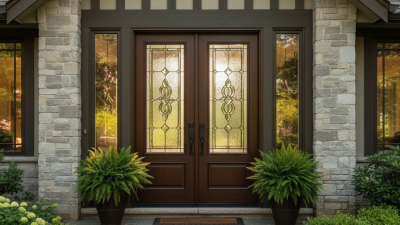
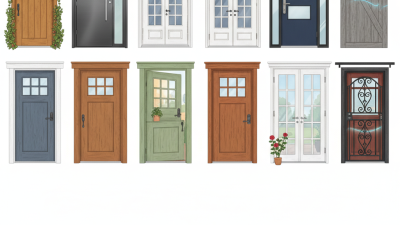
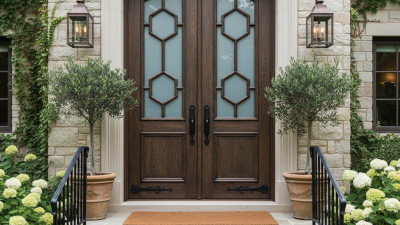
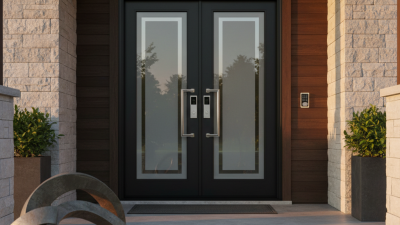
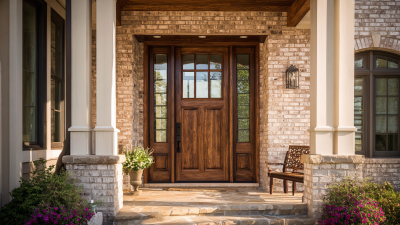
When considering front doors with glass, it's important to think about how the glass style integrates with your home design. For traditional homes, stained glass may enhance character and elegance. In contrast, modern homes often benefit from sleek, minimalist designs like frosted or clear glass.
A recent survey by the National Association of Realtors indicates that 78% of homeowners prioritize aesthetic appeal in entryways. This shows the importance of selecting the right glass style. Your choice can significantly affect the overall look of your home. For example, oversized glass panels can create a welcoming, spacious feel, while small, intricate designs might suit more classic styles better.
Balance is crucial when integrating glass doors. Too much glass can lead to privacy concerns. On the other hand, insufficient glass may dull the entrance's beauty. It’s worth experimenting with different styles to find what resonates with your space. Remember, the goal is to enhance your home's unique architecture while ensuring functional benefits.