How to Choose the Right Folding Patio Doors for Your Home?
Choosing the right folding patio doors for your home can be a daunting task. These doors serve as both a functional and aesthetic element. They can elevate your outdoor space, connecting your home with nature.
When selecting folding patio doors, consider materials and styles. Wood, aluminum, and vinyl are common choices. Each has distinct advantages. For instance, wood provides warmth but requires maintenance. Aluminum is durable but may lack the charm of wood. Vinyl, on the other hand, offers energy efficiency but can limit style options.
Think about the size and installation process. Doors that are too large may overwhelm a small space. Yet, a tight fit can compromise functionality. Explore different configurations—some might suit your home better than others. Allow time for reflection during your decision-making. This choice deserves thought, ensuring your folding patio doors enhance your living environment.
Understanding the Types of Folding Patio Doors Available for Homes
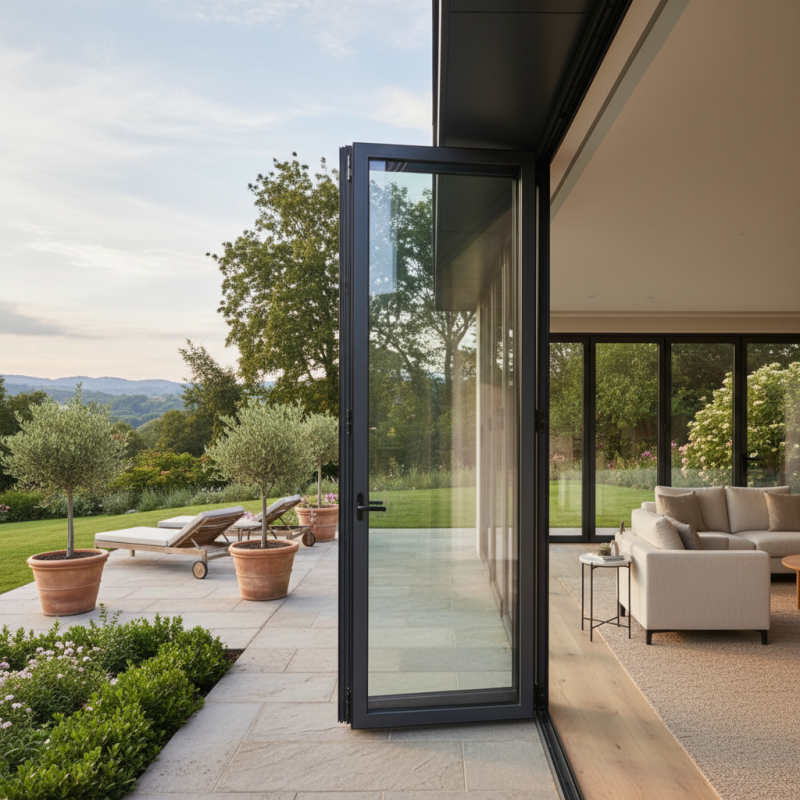
Folding patio doors are increasingly popular for homes. They blend indoor and outdoor spaces effectively. Understanding the types available can ease your decision-making process.
Bi-fold doors are prevalent. They create a large opening when fully retracted. This design enhances natural light. A report by the The American Institute of Architects notes that 78% of homeowners value light in their living areas.
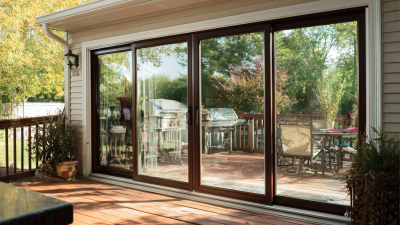
Multi-slide doors are another option. They slide open like typical sliding doors but can stack to one side. This flexibility can suit smaller spaces.
However, each type comes with challenges. Bi-fold doors require ample room for operation. Sometimes installation can be tricky. Multi-slide doors may be less energy efficient. Homeowners should consider this if climate is a concern. A survey from the National Association of Home Builders shows 62% of homeowners prioritize energy efficiency.
Mapping out your space can help visualize how each type will fit. Choosing the right one is essential for maximizing comfort and style.
Factors to Consider When Measuring for Folding Patio Doors
When measuring for folding patio doors, accuracy is crucial. Start by determining the opening size. Measure the height and width at three different points. Do this at the top, middle, and bottom for width, and at the left, center, and right for height. This helps account for any inconsistencies in your wall structure. Use a simple tape measure for this task. It may seem straightforward, but even minor errors can lead to significant issues later.
Next, consider your frame's depth. Most folding patio doors require a specific depth to function correctly. Measure the wall thickness to ensure compatibility. This may seem easy, but many overlook it, leading to costly adjustments. Also, think about the clearance at the bottom. Ensure that the doors won't rub against the floor or any installed flooring. It's vital that everything aligns perfectly for a seamless operation.
Don't forget about the surrounding structure. Check for any obstructions above or beside the door frame. Ensure there's enough space for the doors to open fully. Lighting and airflow can be affected by improper installation, which could be regrettable. It's essential to review these details, even multiple times. Overlooking them could lead to dissatisfaction with your final choice.
Materials to Choose for Durability and Aesthetic Appeal
When selecting folding patio doors, the materials can significantly impact both durability and aesthetic appeal. Common choices include wood, aluminum, and vinyl. According to industry reports, wood offers a classic look with natural warmth. However, it requires regular maintenance to prevent rot and warping. On the other hand, aluminum is praised for its strength and resistance to weather elements. It can withstand harsh climates and requires minimal upkeep.
Vinyl doors are another great option. They are energy-efficient and resistant to fading and cracking. A study from the American Architectural Manufacturers Association indicated that vinyl folding doors can achieve an energy efficiency rating of up to 0.30 U-factor, making them suitable for various climates. Still, some homeowners feel vinyl lacks the elegance of wood or aluminum.
It’s crucial to consider your home's style when choosing a material. For a modern aesthetic, aluminum might be ideal, while traditional homes often benefit from the warmth of wood. Keep in mind that factors like cost, maintenance, and environmental impact should also shape your decision. Balancing these elements can be challenging but will ultimately lead to a suitable and appealing choice for your living space.
Energy Efficiency and Insulation Features in Folding Patio Doors
When considering folding patio doors, energy efficiency should be a priority. According to the U.S. Department of Energy, doors account for about 10% to 15% of your home’s energy loss. Choosing doors with good insulation can help maintain indoor temperatures. Double or triple glazing is beneficial. These features help reduce energy bills and increase comfort.
Another factor is the materials used. Fiberglass and vinyl tend to provide better insulation compared to aluminum. Heat and cold transfers through materials, affecting energy efficiency. In colder climates, poor insulation can lead to a chilly living space. According to the National Fenestration Rating Council (NFRC), well-insulated doors can improve comfort while decreasing reliance on heating or cooling systems.
While folding patio doors enhance aesthetics, they must perform well too. Look for options with low U-factors, indicating better insulation. Also, consider the Solar Heat Gain Coefficient (SHGC) rating. A lower SHGC means less heat gain from sunlight. This can be crucial, especially for south-facing doors. Balancing beauty and practicality is essential; otherwise, you'll face energy inefficiencies.
How to Choose the Right Folding Patio Doors for Your Home? - Energy Efficiency and Insulation Features in Folding Patio Doors
| Feature |
Description |
Importance |
| Energy Rating |
Indicates the thermal performance of the door |
High - affects energy costs and comfort |
| Frame Material |
Aluminum, PVC, or wood; affects durability and insulation |
Moderate - influences longevity and maintenance |
| Glazing Options |
Double or triple glazing for better insulation |
High - enhances thermal performance |
| U-Value |
Measures heat loss; lower values are better |
Critical - directly relates to energy efficiency |
| Noise Reduction |
Soundproofing features reduce outside noise |
Moderate - affects comfort in urban areas |
| Installation Considerations |
Ease of installation and compatibility with existing structures |
High - essential for proper fit and function |
Installation Tips and Maintenance for Longevity of Folding Patio Doors
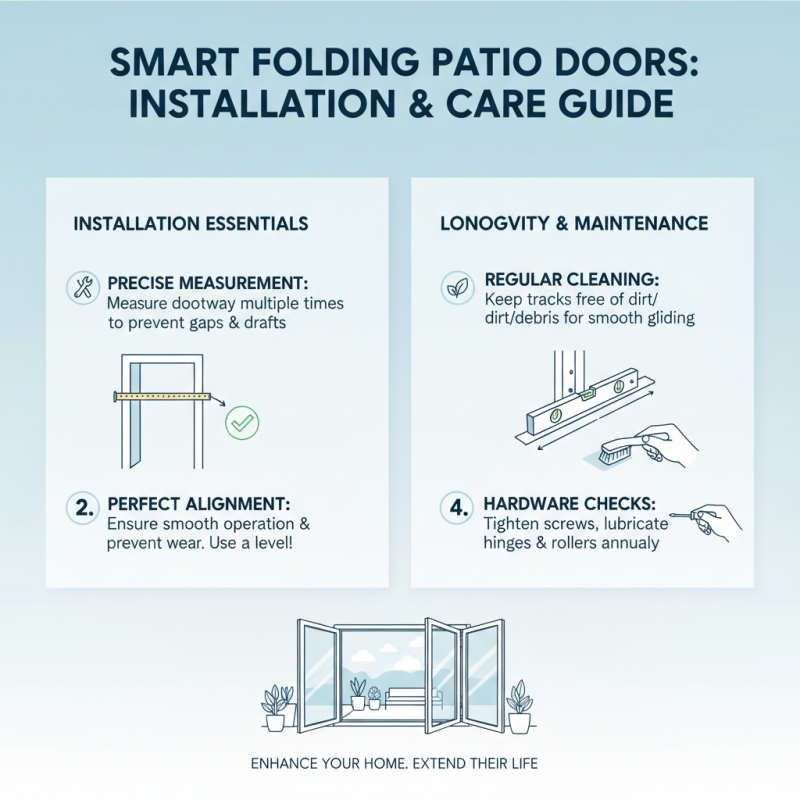
Choosing the right folding patio doors can significantly enhance your home's appeal. However, proper installation and maintenance are just as vital for ensuring their longevity. Start by carefully measuring the doorway before installation. An ill-fitted door can lead to gaps and drafts. Pay attention to the alignment, as misalignment can cause wear over time.
After installation, regular maintenance is crucial. Clean the tracks regularly. Dirt and debris can hinder smooth operation. Lubricate moving parts to prevent rust and sticking. Seasonal checks can help identify emerging issues. It’s easy to overlook, but even minor adjustments can prolong the life of your doors.
Keep in mind weather conditions can take a toll on your doors. If you live in an area with heavy rainfall or snow, consider weatherproofing measures. Adding seals might seem tedious, but it offers valuable protection. This is a small investment for peace of mind. Evaluating your doors periodically can ensure they stay in top shape.