How to Choose the Perfect Wooden Front Door for Your Home?
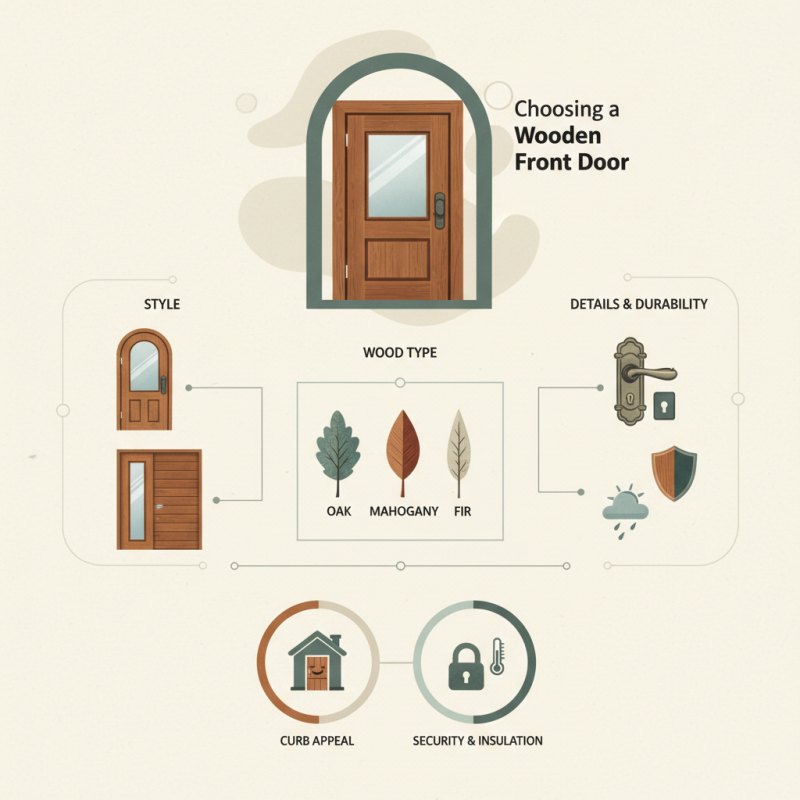
Choosing the perfect wooden front door is essential for your home's curb appeal. A wooden front door can enhance the beauty of your house. It’s not just about looks; it also provides security and insulation.
When selecting a wooden front door, consider the style of your home. A traditional design may fit a classic-style house. In contrast, a modern door could be suitable for contemporary homes. Wood species also matter; oak, mahogany, and fir each have unique characteristics. The right choice will stand out but must complement other elements.
Pay attention to details. A well-crafted door with quality hardware can make a difference. However, many homeowners overlook this aspect. They focus solely on aesthetics. Reflect on how the door will perform over time. Will it withstand weather changes? A beautiful wooden front door should also be durable.
Factors to Consider When Selecting a Wooden Front Door
When choosing a wooden front door, several factors come into play. One crucial detail is the type of wood. Hardwoods like oak and mahogany offer durability and a rich appearance. Softwoods, such as pine or fir, may require more maintenance. Consider your local climate. A door exposed to harsh conditions will need weather-resistant qualities.
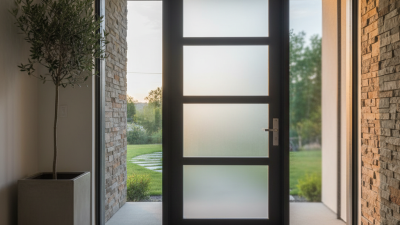
The design of the door is also vital. A solid door offers better security, while a design with glass panels can invite light. However, glass requires regular cleaning and may not suit every aesthetic. Think about the finish. Stains can enhance the wood's natural beauty, but paint allows for versatility.
Lastly, reflect on the door's insulation properties. A well-insulated door can save energy; an overlooked feature can lead to drafts. Cost is another factor to weigh carefully. A beautiful door can be pricey. However, investing wisely can enhance your home's curb appeal. Choose a style that complements your home’s architecture, but don't hesitate to contrast materials. This balance can create unique charm. Remember, the perfect door is both functional and a statement piece.
Types of Wood and Their Durability for Exterior Doors
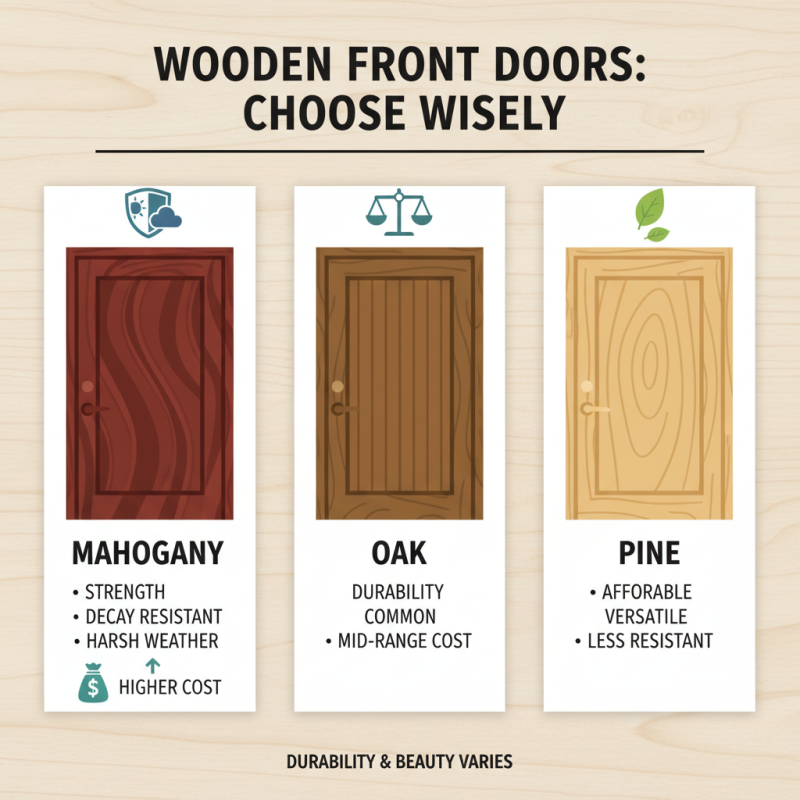
When selecting a wooden front door, the type of wood matters greatly. Different woods offer various levels of durability and beauty. For instance, mahogany is a popular choice. It is strong and resistant to decay. This wood can withstand harsh weather conditions. However, it comes at a higher cost than other options.
Another solid choice is oak. Oak is known for its remarkable strength and attractive grain. It can last a long time if properly maintained. But it may be prone to warping if not treated properly. Pine is another option, often used in less formal settings. It’s affordable but requires more maintenance. It may not hold up as well under stress.
Considering the finish is crucial too. A protective coating can enhance durability. Yet, even the best wood can suffer from sun exposure or moisture. Reflect on your environment. Will the door get full sun? How much rain does your area receive? These factors will impact your choice. It’s essential to choose wisely.
Design Styles to Match Your Home’s Architecture
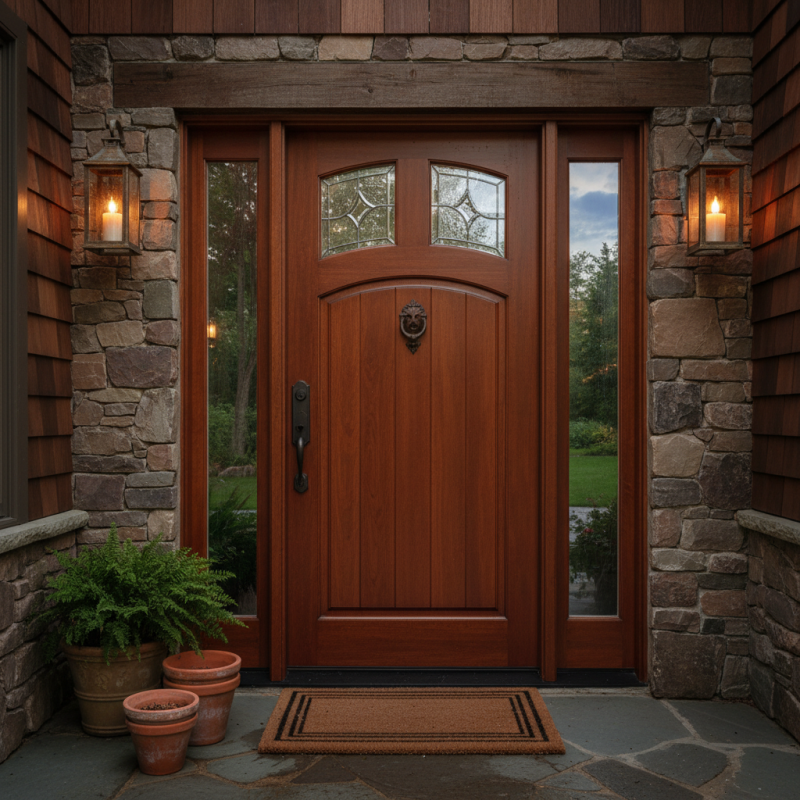
When choosing a wooden front door, consider your home's architectural style. A door should enhance, not conflict. For a modern home, sleek lines and minimalistic designs work best. In contrast, a craftsman-style home benefits from intricate details and natural finishes.
Tips: Look for door designs that complement your windows and rooflines. This creates a cohesive look. Remember, too much decoration can overwhelm simple architecture.
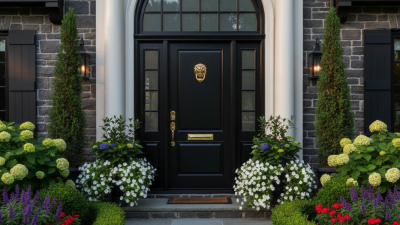
Old homes call for traditional styles. Look for classic panels or arched tops. They bring charm and elegance. But be cautious with color; muted tones often suit historic houses better than bold shades.
Tips: Consider the wood type carefully. Different woods have unique grains and colors. A mismatched finish may detract from your home’s aesthetic. Keep function in mind, too. An ornate door may look beautiful but might not provide the security you need.
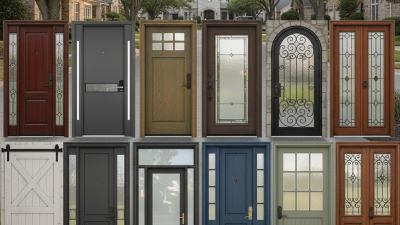
Popular Wooden Front Door Design Styles
Insulation and Energy Efficiency in Wooden Front Doors
Choosing the right wooden front door impacts your home’s insulation and energy efficiency. According to the U.S. Department of Energy, up to 30% of heating and cooling costs can be attributed to poor door insulation. A well-insulated wooden door significantly reduces energy loss, helping homeowners save on energy bills.
Wood has natural insulating properties. For instance, solid wood doors with an R-value of 5 or higher provide excellent thermal performance. A high R-value indicates better insulation, keeping your home warm in winter and cool in summer. However, not all wooden doors are created equal. Thin, hollow-core options might seem appealing but often lack sufficient insulation. Homeowners frequently overlook this detail, leading to regrettable energy waste.
In addition to insulation, the choice of wood plays a crucial role in efficiency. Dense woods like oak or mahogany not only offer durability but also enhance thermal resistance. Still, it’s essential to consider the environmental impact. Sourcing sustainable wood is vital for long-term energy efficiency and eco-friendliness. Homeowners may need to reflect on their choices to balance aesthetics with responsibility.
Maintenance Tips for Keeping Your Wooden Door in Top Condition
Maintaining a wooden front door requires regular care. According to the American Wood Council, wood doors can last over 30 years with proper maintenance. Neglecting them can lead to significant deterioration. Moisture and temperature changes often cause wood to warp or crack. As such, inspections twice a year are recommended.
Applying a protective finish is critical. Many homeowners overlook this step, but it can double the lifespan of a wooden door. A survey from the National Association of Home Builders found that 41% of homeowners do not reapply finishes regularly. Without this, doors suffer from oxidation and fading. Every couple of years, re-evaluating the finish is essential. Basic cleaning using mild soap and water maintains aesthetics without stripping the wood's natural oils.
Hardware is another key focus. Hinges and locks can become corroded over time. Using a lubricant designed for door hardware can prevent rust. Many people forget to check these parts until issues arise. Inspect your door hardware annually to ensure smooth operation. Addressing small problems early can save significant costs later.