


Leaves, insects, and flower petals can quickly collect on a pool’s surface. A Pool Leaf Skimmer removes this debris before it sinks, stains surfaces, or burdens the filtration system.
Most models use a fine mesh net attached to a frame and telescopic pole. You move the net slowly across the water, allowing the mesh to catch floating debris. Some designs connect with a built-in pool skimmer, which uses suction to draw water and leaves into a basket. This article focuses mainly on handheld surface skimmers, because they are simple, affordable, and widely used.
In practical pool care, timing matters. Skimming after windy weather can prevent wet leaves from becoming heavy and difficult to lift. A shallow angle usually works better than pressing the net straight down. Small tool. Big difference. I have found that rushing often pushes debris away instead of capturing it. That detail is easy to overlook.
A reliable skimmer should have a strong frame, smooth edges, and mesh that drains water quickly. The pole connection also deserves attention, especially when the net is full. Product claims can sound impressive, but regular cleaning and careful handling matter more than marketing language. This guide explains how a Pool Leaf Skimmer works, where it performs well, and where it may fall short. It also considers common mistakes, maintenance needs, and realistic expectations for keeping pool water cleaner. No skimmer replaces balanced water care or proper filtration. It is one useful part of a broader maintenance routine.
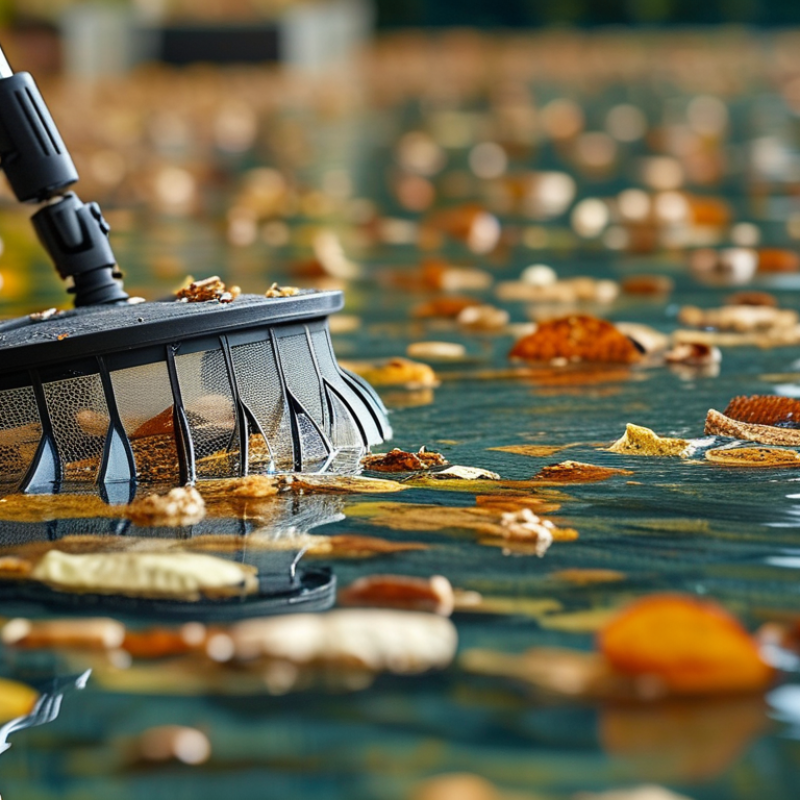
A pool leaf skimmer is a lightweight net attached to a telescopic pole. Its main purpose is simple: remove leaves, insects, grass, and floating debris from the water surface. The net usually has a flat frame and fine mesh. When you guide it across the pool, the mesh traps unwanted material while water passes through.
This tool works before debris reaches the pool’s built-in skimmer or filter. That small step can reduce clogging and make filtration more efficient. A deep-bag skimmer collects heavier loads, while a flat net works well for quick surface cleaning. In my experience, slow movements prevent leaves from escaping around the frame. I still miss a few pieces sometimes. Wind changes everything. A pool leaf skimmer cannot replace circulation, filtration, or proper water treatment. It only removes visible debris.
Tips: Start near the pool edges, where leaves often gather. Keep the net slightly below the surface, then lift it gradually. Empty the bag before it becomes heavy. A wet pile of leaves can strain the pole and damage the net. Rinse the mesh after use and store it away from direct sunlight. Check the frame regularly, because a small tear can let fine debris pass through.
A pool leaf skimmer is a hand-operated cleaning tool for removing leaves, insects, and floating debris. Its design combines a shallow net, a frame, and a long pole. The frame keeps the net open, while the pole allows users to reach the pool center from the deck. Small parts matter. A rounded frame reduces scratching against pool walls. A slightly flexible net can collect debris without tearing when it meets water resistance.
The net is usually made from fine mesh, but mesh size affects performance. Coarse mesh moves quickly and works well for large leaves. Fine mesh captures smaller particles, although it feels heavier when wet. The connection between the frame and pole should be firm and easy to inspect. A loose joint may twist during a sweep, leaving debris behind. In routine maintenance, slow, shallow passes usually work better than forceful movements. That sounds simple, yet many users push too deeply and stir settled dirt.
The pole needs enough length for safe reach without becoming difficult to control. Lightweight materials reduce arm strain, while a textured grip helps during wet conditions. Drainage openings in the net also prevent water from dragging the skimmer backward. One design limitation deserves attention: no leaf skimmer removes algae attached to surfaces or dirt resting on the floor. It is designed for surface collection, not complete pool cleaning. After use, rinsing the net and checking the frame can prevent trapped debris from becoming brittle or unpleasant. A better design is not always the most expensive one. Practical balance matters more.
A pool leaf skimmer removes debris by guiding floating material into a collection area. It may be a handheld net or a built-in surface skimmer. Both rely on water movement, but they work differently.
A handheld skimmer uses a fine mesh net attached to a telescopic pole. I move it slowly across the surface, keeping the frame slightly below the water. This motion catches leaves, insects, grass, and small twigs without pushing them away. Slow passes work better than fast sweeping. Fast movement often creates waves, and debris slips underneath. After windy weather, I check corners and steps carefully. Leaves collect there.
A built-in skimmer draws water through a narrow opening in the pool wall. The circulation pump creates the pull. Floating debris travels into a basket, where it stays until removal. The basket should be emptied when it is partly full. A packed basket can restrict water flow and reduce circulation. Turn off the pump before opening the skimmer lid, then lift the basket carefully. Check for cracked plastic or trapped debris around the opening.
It does not catch everything.
Sinking leaves need a floor net or vacuum. Fine dust may pass through coarse mesh, while heavier debris can settle before reaching the opening. I sometimes expect one cleaning pass to solve everything, but that is unrealistic after a storm. Regular inspection remains necessary, especially when the water surface looks clear but the basket is filling quickly.
A pool leaf skimmer is a surface-cleaning tool that removes leaves, insects, and floating debris before they reach the filter. The Pool & Hot Tub Alliance reports roughly 11 million residential swimming pools in the United States. That scale explains why skimmer design matters in daily maintenance. A clean surface also helps protect circulation equipment.
Different types suit different debris and pool layouts. A handheld leaf skimmer uses a flat net attached to a telescopic pole. It is inexpensive and precise, especially after windy weather. Deep-bag models collect heavier leaves without constant emptying. Automatic surface skimmers float or connect to the circulation system. They move with water flow, but they may miss corners when circulation is weak. Suction-side cleaners use the pump’s suction line and commonly collect smaller debris from the floor. Pressure-side cleaners use return-water pressure and often carry debris in a separate bag. Robotic cleaners operate independently and scrub walls or floors, depending on their design.
The CDC’s Model Aquatic Health Code emphasizes effective circulation, filtration, and disinfection. A skimmer supports those systems, but it does not replace them. In practice, matching the net depth to local leaf size is often overlooked. A narrow net feels efficient, yet it may spill wet leaves back into the pool. No device is perfect. Check water flow, empty bags frequently, and inspect moving parts after storms.
A pool leaf skimmer removes floating debris by guiding leaves and insects into a mesh net or collection basket. The chart compares common skimmer types by their typical debris capacity, which varies by model and design.
Handheld deep-bag skimmers generally hold the most debris per cleaning cycle, while flat nets are better for quick surface pickup. Automatic and robotic skimmers collect debris with less manual effort but usually use smaller baskets.
What Is a Pool Leaf Skimmer and How Does It Work?
A pool leaf skimmer uses a fine mesh net attached to a telescopic pole. It captures leaves, insects, and floating debris before they sink. I usually move the net slowly across the surface, keeping its front edge slightly submerged. Fast sweeping often pushes debris away.
Skim before running the circulation system. This reduces the load on the skimmer basket and filter. Empty the net over a waste container, not beside the pool. Small leaves can return with wind or rain. During heavy shedding seasons, daily skimming is practical. Otherwise, inspect the surface every few days.
Cleaning is simple but often neglected. Rinse the net with a garden hose after each use. Remove trapped seeds from the corners, then let the mesh dry fully. Check the frame for cracks and the pole for loose sections. I have found that a clean net works better than a new one used carelessly.
Routine maintenance should also include testing water chemistry. The CDC’s Model Aquatic Health Code recommends maintaining pool pH between 7.0 and 7.8. Check sanitizer levels according to the facility’s operating standard. A leaf skimmer cannot correct unsafe water. It only removes visible contamination. The Pool & Hot Tub Alliance’s maintenance guidance also emphasizes regular inspection of circulation equipment and baskets. I sometimes over-skipped the surface and ignored the filter pressure. That mistake made cleaning slower, not easier.
| Topic | Key Information | Proper Procedure | Recommended Frequency | Practical Maintenance Tip |
|---|---|---|---|---|
| What It Is | A pool leaf skimmer is a handheld cleaning tool made with a fine mesh net attached to a frame and pole. | Use it to remove leaves, insects, grass, and other floating or settled debris from the water. | As needed | Choose a net with a smooth frame and durable mesh to reduce snagging and tearing. |
| How It Works | The net moves through the water and traps debris while water passes through the mesh. | Keep the net slightly below the surface and move it slowly to prevent debris from escaping. | During each cleaning session | A slow, steady motion is usually more effective than quickly dragging the net. |
| Surface Skimming | Surface skimming removes floating debris before it sinks or reaches the pool circulation system. | Approach debris from the side and guide it into the center of the net with a shallow pass. | Daily or when debris is visible | Skim after windy weather, storms, or nearby landscaping work. |
| Bottom Cleaning | Some deep-bag nets can collect debris resting on the pool floor. | Lower the net carefully, keep the opening level, and lift slowly to avoid stirring up sediment. | Weekly or as needed | Allow disturbed particles to settle before repeating the pass or vacuuming the pool. |
| Best Angle | The angle of the net affects how efficiently water and debris enter the mesh. | Hold the leading edge slightly lower than the trailing edge and push debris forward gently. | Every use | Avoid pressing the frame hard against the pool surface, especially on delicate finishes. |
| Net Emptying | A full net becomes heavier and may strain the pole or cause debris to spill back into the pool. | Lift the net above the deck or a waste container and empty it before it becomes overloaded. | When the net is about half to two-thirds full | Do not shake the net aggressively because this can stretch or damage the mesh. |
| Rinsing the Net | Rinsing removes fine dirt, algae, and organic residue that can remain in the mesh. | Wash both sides with clean water after use, then inspect the corners and seams. | After every use | Use a garden hose with moderate pressure; excessive pressure may weaken fine mesh. |
| Drying and Storage | Moisture left in the net can encourage odors, mildew, and material deterioration. | Let the net air-dry completely in a shaded, ventilated area before storing it. | After every rinse | Store the tool away from direct sunlight, pool chemicals, and sharp equipment. |
| Frame Inspection | The frame supports the mesh and may bend or crack if overloaded or forced against the pool. | Check for bends, cracks, loose joints, and sharp edges before cleaning. | Monthly and after heavy use | Replace a damaged frame to prevent scratches and avoid losing debris through gaps. |
| Mesh Inspection | Torn or stretched mesh reduces collection efficiency and allows small debris to pass through. | Hold the net up to the light and examine the seams, corners, and bottom panel. | Monthly | Small damage should be addressed promptly; extensive tears generally require net replacement. |
| Pole Connection | A secure connection keeps the net stable and reduces the risk of dropping it into the pool. | Tighten the pole fitting by hand and check that locking buttons or clips engage fully. | Before each use | Do not overtighten threaded fittings, as damaged threads can make the connection unstable. |
| Chemical Safety | A skimmer net is not a substitute for safe handling of pool chemicals or contaminated water. | Keep the tool away from chemical containers and wash it if chemical residue contacts the net. | Every cleaning session | Never mix cleaning chemicals or soak the net in a chemical solution unless the material instructions permit it. |
| Cleaning Sequence | Removing large debris before brushing or vacuuming helps prevent unnecessary circulation-system loading. | Skim the surface first, brush pool walls and floor next, then vacuum or run the filtration system as appropriate. | During routine cleaning | The exact sequence may vary with the pool surface, filtration setup, and amount of debris. |
| After Storms | Rain and wind can introduce leaves, branches, dirt, and other organic material into the pool. | Remove large debris promptly, then check the water level and filtration equipment before normal circulation. | Immediately after severe weather | Do not use the net to lift heavy branches or sharp objects that could damage the frame or mesh. |
| Replacement Indicators | Replacement may be necessary when the net no longer holds debris or the frame becomes unsafe. | Replace the net if it has major tears, detached seams, severe deformation, or a loose connection that cannot be secured. | When damage affects performance | A properly maintained skimmer net should glide smoothly without scraping or leaving debris behind. |
Get the latest news straight from us on all our new products, features, services, and much more!
