

10 Tips for Buying Composite Front Doors?

Choosing composite front doors is not simply a matter of matching colour to brickwork. The right door must handle rain, cold mornings, repeated use, and unwanted drafts. It should also suit the property’s structure, security needs, and daily routine. A heavy door may feel reassuring, yet poor installation can make it difficult to close. Small details matter.

“Performance begins with the complete door set, not the slab alone,” says Richard McLellan, a composite-door industry specialist at Endurance Doors. His point deserves attention. The frame, hinges, threshold, locks, glazing, and seal system work together. A strong door can still disappoint when the opening is uneven or the threshold is incorrectly fitted. That is an easy mistake to overlook.

This guide explores ten practical checks before buying composite front doors. It considers thermal efficiency, certification, core construction, weather seals, glazing, lock quality, colour stability, maintenance, installation, and long-term value. Product brochures often highlight impressive figures. They do not always explain testing conditions or installation limits. Ask for evidence, not just confident claims.

Stand outside your home after heavy rain. Notice where water collects near the entrance. Measure the opening carefully, including the frame and threshold. Think about muddy shoes, delivery traffic, pets, and winter sunlight. These ordinary details can change the best choice. A beautiful door is not automatically a suitable one. Sometimes, the most expensive option is simply over-specified. Reflecting on that may save money and frustration.
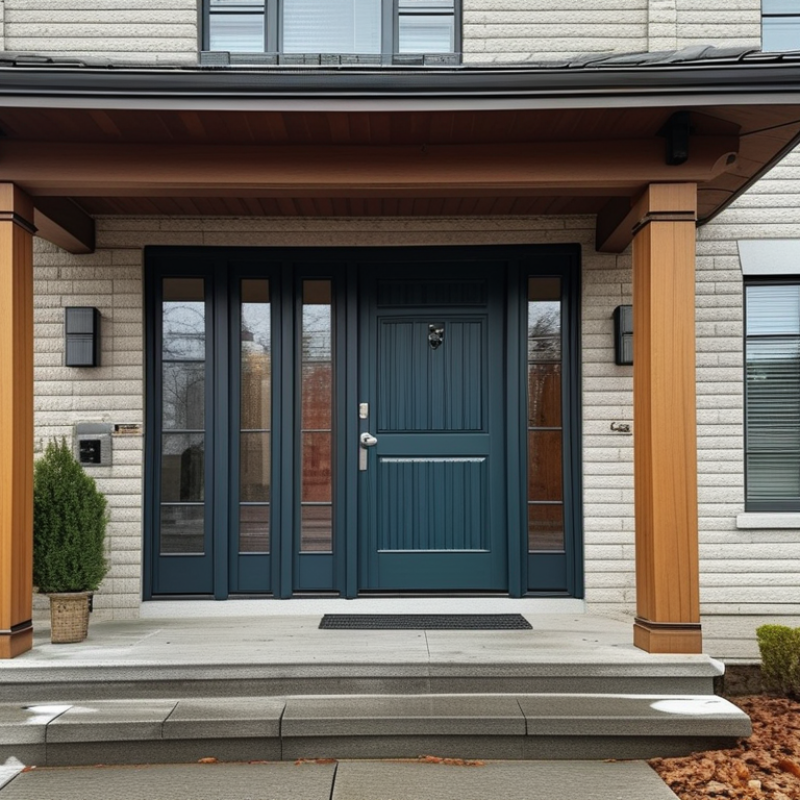
10 Tips for Buying Composite Front Doors?

Measure Composite Door Build: 44 mm Panels, GRP Skins, and PU Cores

10 Tips for Buying Composite Front Doors

Measure the structural opening, not the existing door leaf. Record width at the top, middle, and bottom. Check the height on both sides. Compare the diagonal measurements too. Uneven diagonals often reveal a distorted frame. Allow the installer’s recommended fitting tolerance. Do not guess it. Confirm the door leaf is 44 mm thick, including its GRP skins and PU core. Check the frame rebate and threshold depth before ordering. Hinge positions also need careful confirmation.

Ask for a clear construction specification. The GRP skins should look even, with no ripples, soft patches, or exposed edges. The PU core should be continuous and firmly bonded. A thicker door is not automatically better. Core density, skin quality, and accurate bonding affect stability and insulation. Request thermal, weather, and security test information from a competent supplier. Also inspect the locking points, hinge reinforcement, glazing method, and threshold drainage. Small details matter here. Poor drainage can leave muddy water beside the sill.

Measure twice. Then measure again. I would photograph the opening with a tape measure visible, especially when ordering remotely. Check that the finished door will clear flooring, mats, and nearby walls. Ask how the frame will be packed and sealed during installation. Delivery damage is easier to challenge immediately. My own view is slightly cautious: a perfect 44 mm specification cannot correct a badly measured opening or rushed fitting. Allow time for a second opinion when the walls look uneven.

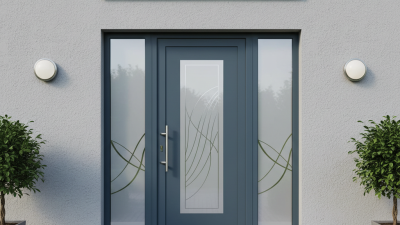
Compare U-Values Against the 1.4 W/m²K UK Thermal Benchmark

A composite front door should be judged by its whole-door U-value, not the panel alone. The UK Government’s Approved Document L sets 1.4 W/m²K as a key thermal benchmark for doors in many residential applications. Lower is better. A door rated at 1.0 W/m²K loses less heat than one rated at 1.4. Check whether the figure includes the frame, threshold, glazing, and hardware. Some sales sheets highlight the panel only. That can mislead.

Ask for test evidence based on EN ISO 10077 or an equivalent recognised method. The British Fenestration Rating Council also stresses whole-product performance when comparing door ratings. Look closely at the threshold. A cold aluminium strip can weaken an otherwise insulated design. Inspect the seals, too. They should compress evenly around all four sides. Uneven gaps often appear near the lock area. Small details matter.

Do not treat 1.4 as a magic pass mark. It is a benchmark, not a guarantee of comfort. The Energy Saving Trust notes that draught reduction can materially improve household heat retention, yet installation quality remains critical. I once focused too heavily on the advertised U-value and overlooked the frame specification. That was a poor comparison. Request the complete declaration, including dimensions and glazing details. Compare like with like. A cheaper quote may exclude fitting, removal, or a thermally efficient threshold. Check those costs before ordering.

Verify PAS 24:2022 Security, Multipoint Locks, and Cylinder Protection

10 Tips for Buying Composite Front Doors

PAS 24:2022 should be your starting point, not a decorative badge. It assesses a complete doorset, including the frame, hinges, hardware, glazing, and installation. Ask for the certificate and confirm that it covers the exact door configuration you are ordering. A replacement panel may not retain the original tested performance. That detail is easy to miss.

I once treated a heavy-looking door as secure. That shortcut was poor judgment. The Office for National Statistics recorded 191,490 domestic burglary offences in England and Wales during the year ending March 2024. This figure supports careful specification, though certification cannot guarantee zero risk. Look for a properly fitted multipoint lock with several solid engagement points. Check that the cylinder sits behind a substantial security escutcheon or protective guard. Exposed cylinders can create a weak, obvious target. Ask whether the cylinder has been independently tested against snapping, drilling, and other common attack methods. Do not accept vague wording such as “high security.”

Installation matters just as much. Poor fixing, loose keeps, or an unsuitable frame can undermine a tested doorset. Request written details from the installer, including fixing methods and maintenance requirements. Keep the certificate, invoice, and product specification together. Recheck alignment after the first few weeks. Doors settle. Sometimes, the original fitting needs adjustment.

How to use this chart: Treat each item as one verification point when comparing composite front doors. Ask for documentary evidence rather than relying on appearance or verbal claims. PAS 24:2022 certification should apply to the complete door assembly, while lock, cylinder, glazing, frame, and installation details should also be checked.

Assess Weather Resistance, Durability Tests, and Warranty Length

10 Tips for Buying Composite Front Doors?

Weather resistance should be tested, not guessed from a glossy finish. The Energy Saving Trust reports that windows and doors can account for up to 25% of household heat loss. Check the door’s U-value, air-leakage rating, and certified water-penetration results. The National Fenestration Rating Council explains that lower U-values generally indicate better insulation. Ask for test evidence under ASTM E283 and ASTM E547, or equivalent regional standards. These documents matter more than sales descriptions.

Look closely at the threshold, seals, hinges, and drainage route. Water often enters beneath the frame, not through the centre panel. A reputable manufacturer should provide results against AAMA/WDMA/CSA 101/I.S.2/A440 performance requirements. Review resistance to wind load, repeated opening, impact, and temperature cycling. Real durability is less glamorous. It is a door that still closes smoothly after years of rain, grit, and slammed schoolbags.

Warranty length deserves careful reading. Ten years sounds strong, but exclusions may cover fading, swelling, hardware, or poor installation. Compare the coverage period for the slab, frame, glass, finish, and locks separately. The UK English Housing Survey continues to identify damp and condensation as persistent housing concerns, so installation quality cannot be ignored. Keep photographs of the threshold and sealant after fitting. A perfect test result does not guarantee perfect workmanship. That is an uncomfortable, but important, limitation.

10 Tips for Buying Composite Front Doors? - Assess Weather Resistance, Durability Tests, and Warranty Length

Tip Buying Dimension What to Check Relevant Test or Standard Practical Benchmark Evidence to Request
1 Rain and water resistance Inspect the threshold, weather seals, drainage paths, corners, and glazing junctions. EN 12208 or ASTM E331 water-tightness testing. Choose a doorset with a declared water-tightness classification suitable for the local exposure and installation position. A complete doorset test report, not only a certificate for the door slab.
2 Air leakage Confirm that the seals remain compressed around the entire perimeter when the door is locked. EN 12207 or ASTM E283 air-leakage testing. Prefer a lower air-permeability class or lower measured leakage value; compare results at the same test pressure. The reported test pressure, leakage result, and classification.
3 Wind resistance and structural stability Check frame anchoring, hinge reinforcement, locking points, and the maximum tested door size. EN 12210 or ASTM E330 structural-performance testing. Select a wind-resistance rating appropriate for the building location; a larger door may require a different tested configuration. Test pressure, deflection results, permanent deformation results, and approved dimensions.
4 Thermal insulation Compare the complete doorset U-value, including frame, glazing, threshold, and hardware effects. EN ISO 10077-1/2 or ISO 12567 testing and calculation methods. A lower U-value indicates better heat insulation; do not use the insulated-core value as the whole-door value. Declared U-value, calculation method, reference size, and glazing specification.
5 Temperature and moisture movement Look for stable composite skins, sealed edges, moisture-resistant cores, and compatible frame materials. Ask for manufacturer-specific climate, humidity, or repeated-opening test data. The door should open, close, and latch consistently after exposure to the stated environmental conditions. Documented test conditions, conditioning cycles, tolerances, and post-test inspection results.
6 Operational durability Confirm that hinges, latches, multipoint locks, closers, and seals are tested together. EN 1191 repeated-opening testing or an equivalent documented doorset endurance test. Compare the tested opening-cycle count and failure criteria; higher cycle counts generally indicate stronger endurance evidence. Number of cycles, test load, hardware configuration, and any parts replaced during testing.
7 Impact and surface resistance Assess resistance to everyday knocks, scratches, cleaning products, and sunlight exposure. Request relevant impact, abrasion, weathering, and coating-adhesion test methods for the specified finish. The finish should retain acceptable appearance without cracking, peeling, or unacceptable colour change under the stated test conditions. Test duration, exposure conditions, rating scale, and maintenance requirements.
8 Security and forced-entry resistance Check the cylinder, keeps, hinge bolts, lock points, laminated glazing, and frame fixing method. Use a recognized complete-doorset security standard applicable to the country and building type. A tested security rating is more meaningful than descriptions such as “high security” without test evidence. Current certificate, scope of approval, tested hardware, glazing specification, and installation requirements.
9 Installation quality Verify opening dimensions, sill support, frame plumb, fixing spacing, sealant compatibility, and drainage clearance. Follow the tested installation instructions and the applicable local building requirements. The installed door should operate smoothly, maintain an even seal gap, and drain water away from the threshold. Written installation method, installer qualification, inspection checklist, and photographs of concealed fixings where appropriate.
10 Warranty length and conditions Separate coverage for the door slab, frame, finish, glazing, hardware, seals, and installation. Warranty terms are contractual; there is no single universal warranty period for all composite doors. Compare the stated coverage period, exclusions, transferability, maintenance duties, and claim process rather than length alone. A complete written warranty showing start date, covered components, remedy, exclusions, and required maintenance records.

Note: Performance depends on the complete doorset, size, glazing, hardware, installation, exposure, and maintenance. Always compare test results for equivalent configurations.

Confirm Installation Costs, Fire Safety, and Building Regulation Compliance

Buying a composite front door involves more than choosing a colour and glass design. Ask for a written installation quote before paying a deposit. It should separate the door, frame, delivery, removal of the old unit, making good, and disposal. Check whether difficult access, altered brickwork, or a new threshold adds labour costs. Get it in writing.

Fire safety needs careful attention. Ask which fire performance applies to your property and whether the complete door set has supporting test or certification documents. A door leaf alone may not provide the claimed protection. The frame, hinges, seals, glazing, and installation method all matter. Details matter. If the entrance serves a shared building or protected escape route, seek advice from a qualified building professional before ordering.

Building regulations vary by location and property type. Confirm whether approval, inspection, or specific accessibility requirements apply to your replacement. The finished threshold should not create an unsafe step, especially for wheelchair users, children, or anyone carrying parcels. Ask the installer how they will protect damp-proof courses and seal the frame against wind-driven rain. Take photographs before work begins, and keep the quote, certificates, and completion paperwork. A rushed measurement can cause expensive surprises. Even careful planning has limits, so question assumptions that are not explained clearly.