

A 3 panel sliding patio door can turn a dark living room into a brighter, more flexible space. Its wide glass opening supports entertaining, garden views, and easier movement between indoor and outdoor areas. Yet, the wrong system may create drafts, difficult operation, or expensive maintenance. Global buyers need more than attractive product photographs.
The U.S. Department of Energy reports that windows can account for 25%–30% of residential heating and cooling energy use. Patio-door performance depends on glass, frame design, seals, installation, and local climate. ENERGY STAR also recommends comparing U-factor and solar heat-gain coefficient before purchase. These figures do not prove that every premium door saves money. They show why technical specifications matter.
Architect Sarah Susanka describes successful residential design as “creating a strong connection between the indoors and the outdoors.” That principle explains the popularity of larger sliding systems, including the 3 panel sliding patio door. The National Association of Home Builders continues to identify outdoor living as a valuable residential feature. However, buyer priorities differ. A coastal project may need corrosion-resistant hardware. A cold-climate home may need stronger thermal insulation. A busy hotel may value cycle testing and replacement-part access.
This guide reviews three leading suppliers for global buyers. The comparison considers frame materials, glass options, security features, certifications, customization, lead times, and after-sales support. It also considers practical details, such as whether the center panel opens smoothly after repeated use. No ranking is perfect. Regional service quality can change the outcome. A cheaper door may become costly when installation guidance is weak.

Panel sliding patio doors are large glazed systems with two or more panels arranged in one frame. Unlike hinged doors, they open horizontally along a track. One panel often stays fixed while another moves behind it. Some designs allow multiple panels to stack near a wall. They provide wide outdoor views without demanding extra room indoors. The moving panel relies on rollers, guides, weather seals, and a carefully leveled threshold. It feels simple. It is not always simple. Frame materials may include aluminum, vinyl, or engineered composite sections. Thermal breaks can reduce heat transfer through aluminum frames. Low-emissivity double glazing may improve indoor comfort and energy performance. In windy or rainy regions, drainage channels and compression seals deserve close attention.
For global buyers, the right panel sliding patio door depends on climate, wall structure, glass specification, and installation quality. Ask suppliers for tested air, water, and wind performance. Request drawings showing panel weight, track depth, drainage, and fixing points. Check whether replacement rollers and seals remain available in your market. I once underestimated the effect of an uneven sill; the door looked excellent but dragged after installation. That mistake changed my inspection routine. Measure twice. A wider opening also means heavier panels, which may need stronger rollers and better handling equipment. Safety glass is generally essential for large glazed areas, but local building requirements still need verification. A low threshold may improve accessibility, yet it can require more precise water management. Suppliers should explain these trade-offs clearly, not hide them behind attractive renderings.
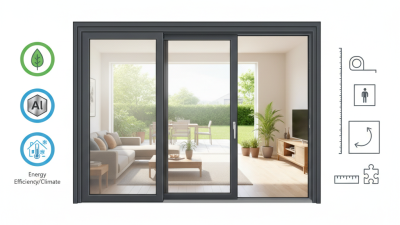
Top 3 Panel Sliding Patio Door Suppliers for Global Buyers
Comparing global door suppliers requires more than reviewing photographs and quoted prices. Start with tested performance. The International Energy Agency reports that buildings consume about 30% of global final energy. Therefore, request verified U-values, air leakage results, solar heat gain data, and water penetration ratings. Ask which laboratory performed each test, and check whether the method matches your target market. A lower price means little if the frame distorts after repeated temperature changes.
The strongest suppliers usually show three qualities: dependable manufacturing, documented quality control, and export experience. Review alloy or reinforced polymer specifications, roller-cycle testing, drainage design, glass safety certification, and replacement-part availability. Request a production sample, not only a digital brochure. Ask for batch records and installation drawings. Evidence matters more than polished claims. The World Bank’s 2023 Logistics Performance Index assessed 139 economies across customs, infrastructure, shipment reliability, and timeliness. Use these factors when comparing lead times, packaging, port handling, and after-sales response. A supplier may manufacture excellent doors yet perform poorly during delivery. That weakness is easy to overlook. Also examine warranty language carefully. Does it cover coastal corrosion, hardware wear, glass failure, and labor? Regional installers should confirm wall tolerances before ordering. Even experienced buyers sometimes compare products without comparing installation conditions. That is a costly gap. Request references from projects with similar climate, opening size, and shipping distance.
For a global procurement shortlist, buyers should compare suppliers using a balanced scorecard rather than price alone. The weighting model emphasizes compliance, thermal performance, weather resistance, manufacturing consistency, logistics capability, customization, warranty support, and total landed cost. Technical verification should include applicable local building codes, U-factor and solar heat gain requirements, air leakage testing, water penetration resistance, structural performance, and documented quality-control procedures.
The percentages represent a practical purchasing-weight framework for comparing anonymous supplier candidates; they are not company-specific performance results.
For global buyers, the top three panel sliding patio door suppliers are usually separated by process control, not advertising. Supplier One is a specialized manufacturer with in-house extrusion, glazing, and powder-coating capacity. Its strongest value is customization for coastal, cold, or high-sun climates. Ask for test reports covering air leakage, water penetration, structural load, and thermal performance. Attractive samples can hide weak rollers. Request a full corner sample and cycle-test data.
Supplier Two is an experienced OEM partner serving developers and regional distributors. It should provide shop drawings, hardware schedules, packaging plans, and stable production tolerances. A reliable supplier explains glass options, panel weights, track design, and replacement-part availability. Check whether the quoted price includes screens, restrictors, protective film, and export crating. Small omissions become expensive at the port. Factory audits and independent inspections add useful evidence, though neither replaces installation supervision.
Supplier Three is a technical distributor or project integrator with local support. This model suits buyers who need site measurement, code coordination, and after-sales service across several buildings. Confirm the team’s installation experience, response time, warranty limits, and spare-parts stock. References should include projects in similar wind and weather conditions. I would compare three production samples, because color consistency may vary between batches. No supplier is perfect. A clear record of limitations is often more trustworthy than confident promises.
| Rank | Supplier Category | Recommended Buyer Type | Typical Door Configuration | Common Frame Materials | Typical Glazing Options | Customization Capability | Key Export Considerations |
|---|---|---|---|---|---|---|---|
| 1 | Large-Scale OEM Manufacturer | Developers, distributors, and high-volume importers | Three-panel sliding systems with fixed and operable panels | Aluminum; thermally broken aluminum may be available | Double glazing; low-emissivity coatings; laminated safety glass on request | High; sizes, colors, hardware, glazing, and packaging can often be specified | Confirm minimum order quantity, container loading plan, export documentation, and regional test requirements |
| 2 | Mid-Size Regional Door Factory | Regional dealers, contractors, and medium-volume buyers | Standard three-panel layouts for residential and light commercial projects | Aluminum; uPVC options may be offered depending on the market | Insulating double glazing; tempered or laminated safety glass options | Medium to high; standard sizes are generally more economical | Check production lead time, replacement-part availability, pallet protection, and local building-code compatibility |
| 3 | Project-Based Custom Fabricator | Architects, premium residential projects, and specialty contractors | Oversized or project-specific three-panel sliding configurations | Aluminum, steel, or engineered combinations selected for project needs | Double or triple glazing; solar-control, low-emissivity, and acoustic options | Very high; dimensions, panel weight, finishes, tracks, and hardware are project dependent | Verify structural calculations, wind-load performance, installation tolerances, shipping protection, and site-service support |
A second supplier type focuses on customization. These manufacturers can adjust panel sizes, frame depths, glass packages, colors, screens, and opening directions. Their technical teams should confirm wall tolerances before production. Small measurement errors can create expensive installation problems. Ask for approved drawings, packaging photos, and replacement-part policies. Custom work sounds impressive, but poor communication can weaken its value.
The third option is certification-led. A reliable exporter should provide traceable material records and quality-management evidence, such as ISO 9001. Product declarations may need to match regional rules, including CE-related requirements, UKCA, or NFRC performance ratings. These systems are not interchangeable. ISO 9001 supports process control, while thermal and weather ratings describe product performance. Check the certificate holder, test model, validity date, and laboratory details. Do not accept a logo alone.
No supplier leads every category. One may offer better thermal performance but limited colors. Another may customize widely but require larger minimum orders. That trade-off deserves honest review. Sometimes, the cheapest quotation is simply incomplete.
For global buyers, the top three supplier choices are manufacturer-direct factories, export-focused producers, and established regional distributors. Manufacturer-direct sourcing can reduce unit costs and support custom panel sizes. Export specialists usually provide stronger packing, documentation, and freight coordination. Regional distributors offer faster service, but their prices may be higher. I have seen buyers compare only door prices. That is a costly mistake.
Before ordering, confirm panel dimensions, glass specifications, frame materials, hardware, drainage design, and installation requirements. Request a detailed pro forma invoice with currency, lead time, payment stages, and delivery terms. A pre-shipment inspection can reveal scratches, uneven seals, or damaged rollers. These small defects become expensive after ocean freight. Ask for photos of crate reinforcement and moisture protection. Container loading should prevent panel movement during rough voyages.
Tips: Keep every specification in one approved file. Confirm who handles unloading at the destination. Request spare rollers, locks, seals, and adjustment tools. Clarify warranty coverage, exclusions, and response times before payment. A reliable supplier should explain replacement procedures clearly, not promise “full support” without details. After-sales service also depends on language, time zones, and technical drawings. One overlooked issue is local installation skill. Even a well-made sliding door can perform poorly when the opening is not level. Pay attention there.
Get the latest news straight from us on all our new products, features, services, and much more!