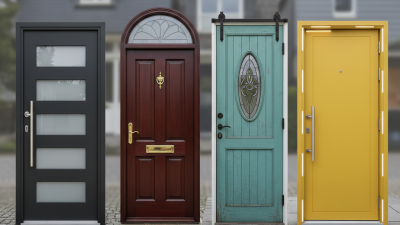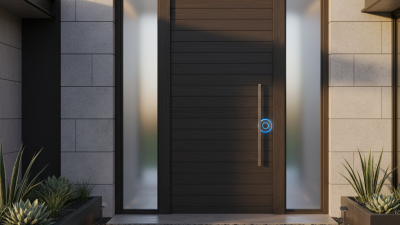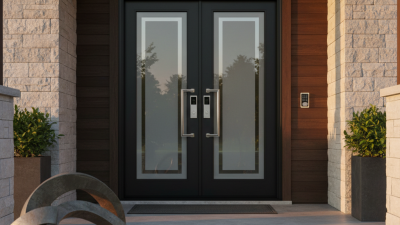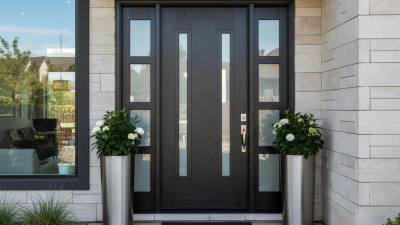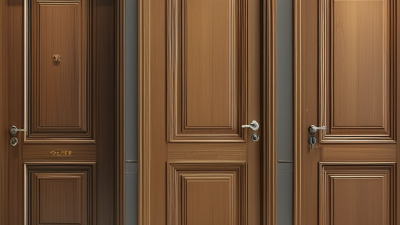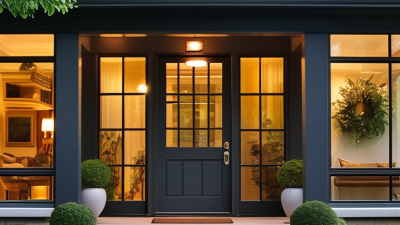


Choosing among the top types of front doors involves more than comparing colors and decorative panels. A front door controls entry, daylight, weather resistance, security, and part of a home’s thermal envelope. Wood doors offer natural grain and repairability. Fiberglass doors can imitate wood while resisting moisture and seasonal movement. Steel doors often provide strong impact resistance at a competitive price. Glass, pivot, and composite designs create different visual effects, but they may require closer attention to insulation and hardware.
Energy performance deserves careful consideration. The U.S. Energy Information Administration’s Residential Energy Consumption Survey reports that space heating represents about 42% of household energy use in the United States. A poorly sealed entrance can add drafts near floors, hinges, and thresholds. The U.S. Department of Energy recommends evaluating the complete door assembly, including weatherstripping, framing, and installation. ENERGY STAR and the National Fenestration Rating Council also emphasize certified performance labels, such as U-factor and air-leakage ratings. These measurements make product comparisons more reliable than marketing language alone.
Security is equally practical. A reinforced frame, quality deadbolt, protected hinges, and properly fitted strike plate matter as much as the door slab. No material wins every time. A coastal homeowner may value fiberglass, while a heritage property may justify carefully maintained wood. That judgment can be imperfect. Still, it should reflect climate, maintenance habits, budget, accessibility, and architectural character. This guide examines the leading front doors through those real-world criteria, helping readers identify a suitable balance between appearance, durability, energy efficiency, and everyday confidence.
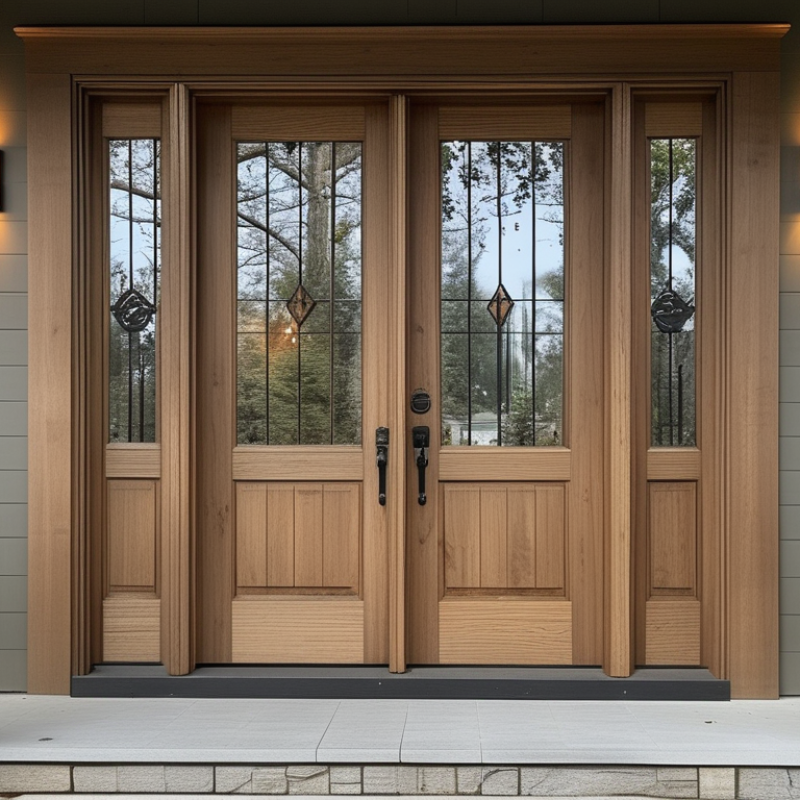
What Are the Top Types of Front Doors?
Front doors should be classified by material, climate, security, and NFRC performance. Fiberglass resists moisture and often suits humid or coastal conditions. Steel provides strong impact resistance, but exposed edges can rust when maintenance is neglected. Wood offers warmth and repairability. It demands more attention in rainy climates.
Climate changes the choice. In cold regions, prioritize a low U-factor and a well-sealed threshold. In sunny regions, review the solar heat gain coefficient, or SHGC. The U.S. Department of Energy reports that windows can cause 25–30% of residential heating and cooling energy use. A poorly sealed door can worsen that envelope performance, even when its panel looks substantial. That detail is easy to miss.
Security depends on the complete entry system, not the slab alone. A reinforced frame, long screws, protected hinges, and a properly fitted deadbolt matter. The 2023 International Residential Code addresses door and hardware requirements, while NFRC 100 and NFRC 200 define procedures for measuring thermal performance. An NFRC label may show U-factor, SHGC, visible transmittance, and air leakage. Compare those values within the same climate zone.
A glass-heavy entry can improve daylight but may reduce privacy. Laminated glazing helps, although it does not replace sound hardware. Installation remains the uncertain variable. Even a high-performing door can leak air through an uneven sill, compressed weatherstrip, or unsealed frame. There is no perfect material. The better decision matches exposure, maintenance tolerance, and tested ratings.
| Door Type | Core Material and Construction | Climate Suitability | Typical Strengths | Security Considerations | NFRC Performance Factors to Compare | Maintenance Profile |
|---|---|---|---|---|---|---|
| Fiberglass | Insulated foam core with a fiberglass-reinforced skin; often finished with paint or stain-like coatings. | Well suited to hot, cold, humid, and coastal conditions when the finish and hardware are appropriately specified. | Good dimensional stability, low heat transfer, resistance to dents and moisture, and broad design flexibility. | A strong option when paired with a reinforced frame, quality hinges, a protected strike area, and a properly installed deadbolt. | Look for a low U-factor, a low air-leakage value, and a suitable solar heat gain coefficient (SHGC) for the climate. NFRC values apply to the complete rated product, not material alone. | Usually low; inspect seals and refinish exposed surfaces according to the coating instructions. |
| Insulated Steel | Steel skins surrounding an insulated core, commonly polyurethane or polystyrene foam. | Suitable for most climates; exposed or damaged steel requires prompt protection in wet, salty, or high-humidity environments. | High rigidity, good value, strong resistance to forced impact, and effective thermal performance when properly insulated. | Often provides a strong security foundation, but the frame, strike plate, hinges, glazing, and lock quality are equally important. | Compare U-factor, air leakage, visible transmittance (VT) for glazed sections, and condensation resistance. A low U-factor generally indicates better insulation. | Low to moderate; monitor scratches, edge damage, rust, weatherstripping, and threshold drainage. |
| Solid Wood | Stiles, rails, and panels made from solid wood or engineered wood components, sometimes combined with insulated sections. | Performs best in moderate or sheltered climates; high humidity, direct sun, and frequent wetting require careful finishing and detailing. | Natural appearance, repairability, customization, and good acoustic mass. | Can be secure when heavy-duty hardware and reinforced jambs are used; the wood species alone does not determine security. | Check the complete door assembly's U-factor and air-leakage rating. Solid wood may have more variable thermal performance than insulated door systems. | Moderate to high; periodic sealing, painting or staining, moisture checks, and hardware adjustment may be necessary. |
| Aluminum | Lightweight aluminum frame or panels, frequently using thermal breaks and insulated glazing or cores. | Works well in mild and wet climates; thermally broken construction is important in cold climates, while coastal installations need corrosion-resistant finishes and hardware. | Light weight, corrosion-resistant finishes, narrow frame profiles, and compatibility with large glazed areas. | Security depends heavily on frame thickness, lock reinforcement, hinge design, and the type and thickness of glazing. | Prioritize U-factor and condensation resistance in cold climates; review SHGC and VT when the door contains substantial glazing. | Low to moderate; clean salt and pollutants, inspect coatings, and maintain gaskets and moving hardware. |
| Composite or Engineered Wood | Combination of engineered wood, resin-based materials, veneers, and insulated cores designed to improve stability. | Generally suitable for variable climates when edges, joints, and finishes are properly protected from prolonged moisture. | Wood-like appearance with improved dimensional stability and potentially better insulation than some traditional solid-wood designs. | Evaluate the entire assembly, including jamb strength, lock block, hinge screws, glazing, and the quality of installation. | Compare NFRC-listed U-factor, air leakage, SHGC, VT, and condensation resistance where those values are provided for the complete assembly. | Moderate; maintain the exterior finish and keep drainage paths, seals, and thresholds clear. |
| Full-View Glazed Door | A door with a large glass area, commonly using insulated glass units in wood, fiberglass, steel, or aluminum frames. | Suitable for many climates when the glazing, frame, shading, and weather seals are selected for local conditions. | High daylight, outdoor visibility, and strong architectural appeal. | Use laminated or impact-rated glass where appropriate, reinforced locks and frames, and carefully protected glazing edges. Glass type is a major security variable. | SHGC controls solar heat gain, VT indicates daylight transmission, U-factor indicates insulating performance, and air leakage indicates sealing quality. | Moderate; clean glazing, inspect seals and condensation, and replace damaged weatherstripping. |
| Storm- or Impact-Rated Door | A door assembly designed and tested for severe wind, windborne debris, or weather exposure; construction varies by material and jurisdiction. | Especially relevant to hurricane-prone and high-wind regions when required by local building codes. | Enhanced resistance to wind pressure and flying debris when the complete tested assembly is correctly installed. | Can improve resistance to forced entry, but impact certification is not the same as a burglary-resistance rating; locks and frame reinforcement still matter. | Review the NFRC label if available for energy performance, but also verify the applicable local impact, pressure, and installation requirements. | Moderate; inspect fasteners, seals, finishes, drainage, and any impact-rated glazing after severe weather. |