

Top 10 Sliding Patio Doors for Global Buyers

A patio door changes more than a wall opening. It shapes daylight, views, ventilation, and the way people move between a kitchen and a deck. Architect Frank Lloyd Wright wrote, “The space within becomes the reality of the building.” That idea offers a useful lens for comparing sliding patio doors: their value depends on how well they serve the room, not only how polished they look in a showroom.

This guide examines ten options for buyers in different markets, from compact urban homes to wide coastal openings. It considers frame materials, glass performance, panel sizes, security features, ease of operation, and the practical details that influence long-term ownership. Details matter. A smooth track feels reassuring on day one; dust, salt air, or uneven installation can change that experience later. Not just glass.

Specifications help, but they do not tell the whole story. A door suited to a mild climate may be less appropriate where temperature swings, wind, or frequent rain are common. Availability and installation support also vary by region, so a strong product on paper may not be the best local choice. A ranking can still miss what a real opening demands. Use these comparisons as a starting point, then check dimensions, performance ratings, warranty terms, and service access with qualified local professionals. The best choice is the one that fits the building and the people using it.
Top 10 Sliding Patio Doors for Global Buyers

How Sliding Patio Doors Work and Where They Are Used

Sliding patio doors move horizontally along a track rather than swinging into a room. Rollers beneath each panel carry its weight, while a handle engages a latch to secure the closed panel. Fixed panels stay in place; sliding panels pass beside them. Simple in principle.

The track, rollers, frame, and weather seals all affect everyday performance. A level opening helps panels glide smoothly, while grit in the lower track can make movement rough. Cleaning the track and checking the rollers can prevent small problems from becoming frustrating ones. Still, maintenance is easy to overlook. A door that feels heavy may need adjustment, not more force.

These doors suit patios, balconies, garden rooms, and spaces where a swinging door would block furniture or foot traffic. Wide glass panels bring daylight into living areas and provide a clear view outside. In windy or rainy locations, frame design, drainage, and properly fitted seals matter as much as appearance. Buyers should also check the opening size, threshold height, and available clearance before choosing a configuration. A low threshold can ease access, but it may need careful detailing to manage water. No single layout fits every home.

Main Types of Sliding Patio Doors by Design and Operation

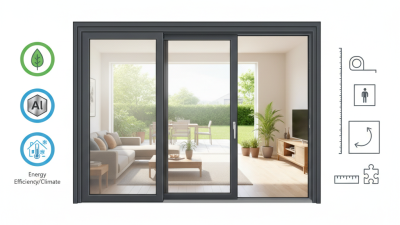
Sliding patio doors differ in how panels move, stack, and seal. Two-panel doors are the most familiar design. One panel stays fixed while the other glides along a lower track. They suit smaller openings, balconies, and replacement projects.

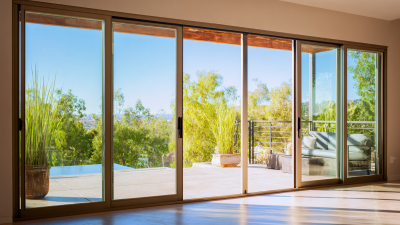
Three- and four-panel systems create wider passages. Some use a central moving panel, while others allow panels to slide in both directions. Telescoping designs let several panels stack neatly beside one another. They provide strong indoor-outdoor connection, but need a wider wall area for storage.

Lift-and-slide doors use a handle to raise the panel slightly before movement. This reduces friction and supports larger glass panels. Pocket sliding doors move into a concealed wall cavity, producing a clean opening. However, installation requires careful waterproofing and enough wall depth. Folding-sliding systems bend panels at hinges, then collect them at one side. They open widely, but their hardware needs regular adjustment.

Material choices also affect operation. Aluminum frames offer slim sightlines, while reinforced vinyl or composite frames can improve insulation. Low-e glazing, multi-point locks, and raised thresholds support energy performance and security. Track drainage matters in rainy regions. A blocked channel can cause sticking and water entry.

The widest opening is not always the best choice. Heavy glass may feel difficult for children or older users. Local wind, weather, accessibility, and building requirements should guide selection. Even experienced installers can miss small alignment problems. A door that rolls smoothly during installation may become noisy after seasonal movement. Calibration, drainage checks, and measured maintenance remain essential.

Ten Sliding Patio Door Options for Buyers Around the World

Choosing among ten sliding patio door options requires more than comparing photographs. In project reviews, I check opening size, wind exposure, drainage, and local installation skills.

A two-panel door suits compact rooms. A three-panel design provides a wider view. Four-panel systems work well for large family spaces, but their weight demands careful support.

Lift-and-slide doors offer smoother movement and stronger seals. Pocket doors disappear into the wall, though repairs may become harder. Corner systems open two sides of a room, yet they need precise structural planning.

Other useful choices include folding-sliding hybrids, thermally broken aluminum doors, reinforced vinyl doors, and timber-clad doors.

Folding hybrids create a broad opening for warm climates. Thermally broken aluminum handles strong sunlight and large glass areas.

Reinforced vinyl can reduce maintenance in humid regions. Timber-clad doors add warmth indoors, but exterior protection needs regular attention.

Look for low-e glazing, multi-point locks, adjustable rollers, and tested water resistance. Ask for installation drawings and replacement-part availability before ordering. Measurements matter.

I once underestimated the effect of salty coastal air. The frame looked suitable, but the hardware needed better corrosion protection. Small details can decide long-term performance.

Local weather data, wall construction, and cleaning habits should guide the final choice. Even the best door may disappoint when the sill drainage is poorly installed.

How to Compare Materials, Glazing, Security, and Energy Efficiency

When comparing sliding patio doors, start with the frame material and local climate. Aluminum offers slim sightlines and strong structural support, but it can transfer heat without a thermal break. uPVC usually insulates well and needs little maintenance. Timber feels warm and authentic, yet it needs careful sealing in humid or coastal areas. I once inspected a timber frame with beautiful grain but neglected drainage. The appearance hid a costly weakness.

Glazing affects comfort more than many buyers expect. Double glazing suits moderate climates, while triple glazing can reduce heat loss in colder regions. Low-emissivity coatings help control indoor temperatures and ultraviolet exposure. Ask for verified U-values, solar heat gain data, and air-leakage results. These figures are more useful than vague claims such as “high performance.” Glass safety matters too. Laminated or tempered glass can reduce injury risks after breakage.

Security depends on the complete door system, not the lock alone. Look for multi-point locking, reinforced keeps, strong rollers, and anti-lift protection. Check whether the frame remains secure when partly open. A certified test report is valuable, but installation quality still matters. Poor alignment can create drafts and weaken locking points. Energy performance also changes with weatherstripping, threshold design, and installation tolerances. My own checklist once missed the sill height, which caused water problems after heavy rain. No checklist is perfect. Examine the warranty, service network, replacement parts, and regional building requirements before ordering.

Installation, Climate Suitability, and Long-Term Maintenance

Top 10 Sliding Patio Doors for Global Buyers

Installation determines whether a sliding patio door performs as promised. The U.S. Department of Energy estimates that windows can cause 25–30% of residential heating and cooling energy use. Poor fitting can increase drafts, noise, and moisture problems. Check the opening before ordering. Measure diagonals, sill level, wall thickness, and drainage paths. A small error can become an expensive repair.

Climate changes the specification. Cold regions need low U-factor glass and insulated frames. Hot climates benefit from lower solar heat gain and external shading. Coastal homes need corrosion-resistant hardware and carefully sealed joints. In wet regions, raised sills and visible drainage channels matter. NFRC ratings help compare U-factor, solar heat gain coefficient, and air leakage across products. However, ratings do not replace local installation knowledge.

Maintenance is simple, but often ignored. Vacuum tracks every few months. Wash rollers with clean water, then inspect them for wear. Keep weep holes open. Replace compressed seals when daylight appears around the frame. The U.S. Department of Energy recommends regular weather-stripping checks for reducing air leakage. I would not promise “maintenance-free” performance. Even a well-rated door can fail when the sill is blocked, the rollers are overloaded, or the wall moves slightly. A practical buying decision considers the door, the installer, and the climate together.